NASA’s MAX POWER Expo Showcases America’s Space Future
Curtis Nakamura|November 8, 2026
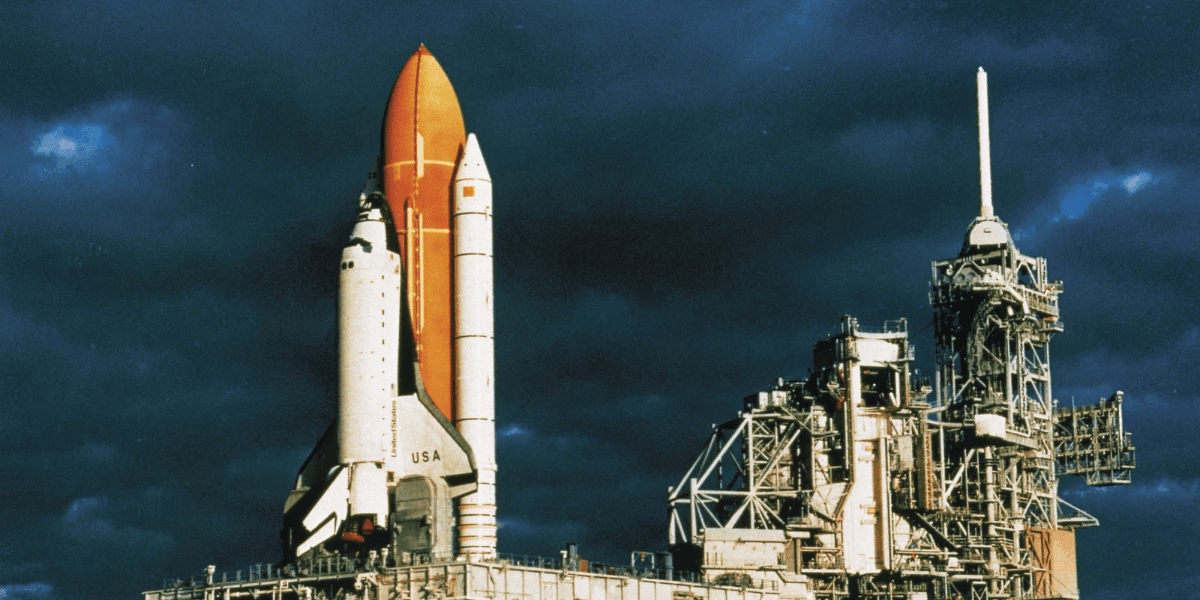
NASA’s MAX POWER expo brought aviation, space exploration, scientific innovation, and public education together at Kennedy Space Center in Florida.
NASA MAX POWER Expo Brings Space Exploration Closer to the Public
The sight of aircraft cutting across the Florida sky offered visitors a glimpse of what the future of aviation and space exploration could look like. At Kennedy Space Center, NASA’s inaugural MAX POWER event brought together aerospace technology, scientific discovery, and public engagement in a large-scale celebration of American innovation.
Running from November 6 through November 8, 2026, the event marked an important opportunity for NASA to connect its ambitious exploration plans with the people who may help make them possible. Hosted at and around Kennedy Space Center in Florida, the three-day aerospace expo featured aviation demonstrations, space exploration exhibits, educational activities, and announcements about upcoming NASA programs.
The gathering also formed part of the agency’s broader Inspiration Tour and commemorated the United States' 250th anniversary. Its central message was straightforward: the future of exploration depends not only on advanced machines and spacecraft but also on scientific knowledge, skilled people, and public participation.
According to NASA's November 9 event report, thousands of visitors attended activities throughout the event.
A Major Showcase for Aviation and Space Technology
MAX POWER provided an opportunity to explore the relationship between aviation research and space exploration. Visitors experienced aircraft demonstrations and educational displays while learning about NASA's ongoing work in aeronautics and human spaceflight.
One of the event's notable highlights involved NASA Administrator Jared Isaacman, who participated in a skydive demonstration on November 7. The aerial presentation added a distinctive element to the program and highlighted the agency's longstanding connection with aviation research.
However, the event extended beyond demonstrations. NASA used the gathering to communicate developments in experimental aircraft, lunar exploration, and technologies intended to support future missions.
Among the announcements was the unveiling of the X-70 Fractal, an experimental aircraft designed to advance aviation research. NASA described the aircraft as a high-performance research platform intended to support the development and testing of advanced flight technologies.
Experimental aircraft programs are important because they allow researchers to investigate new approaches to aircraft performance, control systems, and maneuverability. The knowledge gained through such work can contribute to future developments in aviation.
NASA Opens a New Chapter in Astronaut Recruitment
Another significant announcement concerned the agency's next astronaut candidate class.
NASA opened applications for its next group of astronaut candidates on November 7. The recruitment initiative seeks qualified American applicants who could eventually participate in missions supporting lunar exploration, low Earth orbit operations, and future human spaceflight.
According to NASA, applications close at 11:59 p.m. Eastern Time on December 3, 2026.
The selection process has demanding academic and professional requirements. Applicants generally need U.S. citizenship, a qualifying master's degree in a science, technology, engineering, or mathematics field, and at least three years of relevant professional experience after completing their qualifying degree. Certain doctoral studies, medical qualifications, and recognized test pilot training can also satisfy the educational requirement.
Candidates must additionally pass NASA's long-duration astronaut physical and demonstrate leadership, communication, and teamwork skills.
The agency expects to announce its selected astronaut candidates in late 2027. Those chosen will undergo extensive preparation at Johnson Space Center in Houston.
The recruitment announcement connects the event's public demonstrations with a practical message: future exploration will require people with strong technical backgrounds and the ability to work effectively in demanding environments.
Building Toward a Sustained Human Presence on the Moon
The expo also highlighted NASA's broader lunar ambitions.
Through its Artemis program, the agency is working toward returning astronauts to the Moon and developing the capabilities needed for longer-term human exploration. These efforts involve spacecraft, transportation systems, scientific equipment, surface operations, and technologies that could eventually support sustained activity beyond Earth.
NASA also announced a student competition focused on developing innovative solutions for its planned Moon Base. The competition offers $1 million in prizes and encourages students to explore engineering and technological challenges associated with future lunar operations.
For students, educators, and families attending the expo, the announcement demonstrated how space exploration can create opportunities for learning and technical problem-solving.
NASA also reported progress involving 12 companies working on transportation, technology, and science initiatives connected to its lunar plans. One project involves continued development of PROMISE, a nuclear-powered lunar rover concept.
These developments illustrate the range of expertise needed to support future exploration. Successful lunar missions depend on collaboration among engineers, scientists, researchers, manufacturers, and mission specialists.
Why the Event Matters Beyond Florida
Although MAX POWER took place in Florida, its significance reaches audiences across the United States.
Aerospace research influences several areas of modern life, including aviation, engineering education, scientific research, and the development of advanced technologies. Public events also help make complex scientific programs more accessible to people who may not regularly follow space exploration.
For communities such as Los Angeles, which has a longstanding connection to aerospace engineering, aviation, and technology, developments at NASA provide another reason to follow the future of American innovation.
The event also reinforced the importance of introducing younger generations to science, technology, engineering, and mathematics. Competitions, demonstrations, and educational exhibits can help students understand how classroom knowledge connects with real-world challenges.
The key takeaway is that space exploration is not simply about reaching another destination. It requires sustained research, careful planning, specialized skills, and cooperation across different industries.
Looking Ahead: The Next Generation of Exploration
As NASA moves forward with its lunar exploration plans, MAX POWER offered a public-facing look at the work taking place behind those ambitions.
The event brought aviation demonstrations, experimental aircraft research, astronaut recruitment, and educational initiatives into one setting. It also provided a reminder that major scientific achievements depend on people who are willing to learn, develop new skills, and contribute to complex projects.
For readers interested in following these developments, NASA provides continuing updates on its missions, research programs, and educational opportunities through its official website, NASA.gov.
The conclusion of MAX POWER on November 8 marks the end of a three-day event, but the questions it raised about technology, education, and the future of human exploration will remain relevant as NASA advances its next generation of missions.

LA Highlight Contributor
Covers technology, business, and national affairs, following the companies and policy shaping the region.
This article features partner, contributor, or branded content from a third party. Members of the LA Highlight editorial staff were not involved in the creation of this content. All views and opinions are those of the contributor alone.