Apple Expands AI Capabilities Across Devices, Signaling New Era for Consumer Technology
Curtis Nakamura|April 28, 2026
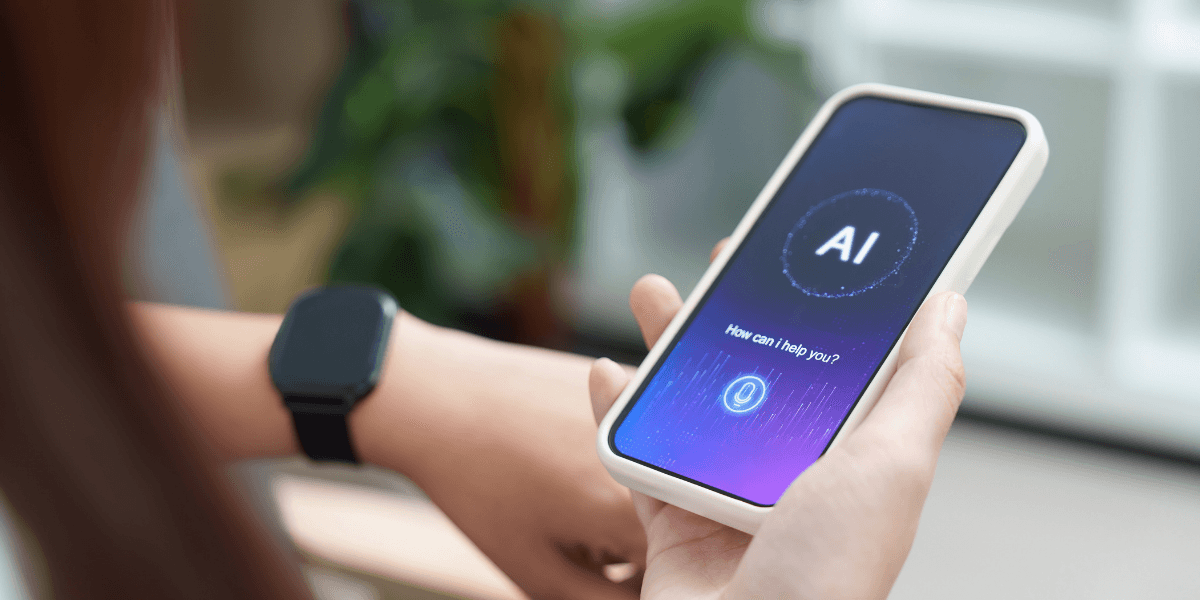
On April 28, a major development in the U.S. technology sector continued to gain momentum as Apple Inc. advanced its rollout of artificial intelligence features across its ecosystem. Building on announcements made earlier in 2024, the company has steadily integrated new AI-driven tools into its devices, marking a significant shift in how consumers interact with everyday technology.
The expansion reflects a broader industry trend toward embedding generative AI directly into consumer hardware and software. For millions of users in the United States and globally, the updates signal a transition toward more personalized, automated, and efficient digital experiences.
Key Developments in Apple’s AI Rollout
Apple’s latest updates focus on enhancing usability across core applications, including messaging, productivity tools, and device navigation. According to official company statements and product briefings, the new features emphasize on-device processing, allowing AI functions to operate without relying heavily on cloud computing.
This approach is designed to improve speed while maintaining user privacy, a central pillar of Apple’s long-standing brand identity. Features include smarter text suggestions, automated summarization tools, and improved voice assistant capabilities integrated into Siri.
Technology analysts have noted that Apple’s method differs from competitors by prioritizing a hybrid model: combining on-device intelligence with selective cloud support. This allows for advanced functionality without compromising performance or data security.
Context Within the Broader Tech Industry
Apple’s AI expansion comes amid increasing competition among major U.S. technology companies to lead in artificial intelligence innovation. Over the past two years, firms such as Microsoft and Google have introduced their own AI-powered platforms, focusing heavily on cloud-based systems and enterprise applications.
In contrast, Apple’s strategy centers on consumer-facing tools embedded directly into devices like the iPhone, iPad, and Mac. This distinction highlights a growing divide in how companies approach AI deployment, either through large-scale cloud infrastructure or localized, device-level intelligence.
For Los Angeles audiences, where the entertainment and creative industries play a major role in the economy, these developments are particularly relevant. AI-powered tools are increasingly being used in content creation, editing, and production workflows, offering new efficiencies for professionals in film, music, and digital media.
Impact on Users and Industry
The immediate impact of Apple’s AI integration is already visible in user experience improvements. Tasks that previously required multiple steps, such as organizing emails, drafting messages, or editing photos, can now be completed more quickly with automated assistance.
Industry observers suggest that these changes may reshape consumer expectations. As AI becomes more deeply embedded in devices, users may begin to expect seamless, intuitive interactions as a standard feature rather than a premium add-on.
Additionally, the emphasis on privacy-focused AI could influence how other companies design their systems. Apple’s approach may encourage competitors to adopt similar safeguards, particularly as public awareness of data security continues to grow.
From an economic perspective, the expansion of AI capabilities also supports growth in the broader technology sector. Developers are expected to build new applications that leverage these tools, potentially creating opportunities for startups and established firms alike.
What Comes Next
Looking ahead, Apple is expected to continue refining its AI offerings through software updates and future hardware releases. Reports indicate that additional features may focus on deeper personalization, improved contextual awareness, and expanded integration across devices.
Developers will play a key role in this next phase. By accessing updated tools and frameworks, they can create applications that take advantage of Apple’s AI infrastructure, further expanding the ecosystem.
Meanwhile, industry experts anticipate that competition will intensify as companies race to differentiate their AI capabilities. This could lead to faster innovation cycles and more advanced features becoming available to consumers in a shorter timeframe.
Key Takeaways
The ongoing expansion of AI across Apple’s product lineup represents a significant milestone in consumer technology. By prioritizing on-device intelligence and privacy, the company is shaping a distinct approach within a rapidly evolving field.
For readers, the development highlights a broader shift: artificial intelligence is no longer confined to specialized applications, it is becoming an integral part of everyday digital life. From communication to creativity, these tools are set to influence how people work, interact, and engage with technology.
As the landscape continues to evolve, Apple’s strategy offers insight into the future direction of the industry, one where convenience, personalization, and privacy must coexist in increasingly sophisticated ways.

LA Highlight Contributor
Covers technology, business, and national affairs, following the companies and policy shaping the region.
This article features partner, contributor, or branded content from a third party. Members of the LA Highlight editorial staff were not involved in the creation of this content. All views and opinions are those of the contributor alone.
Previous Post
From Operator to Owner: Bostyn Group's Next Chapter