Investigation Continues After Deadly Cargo Plane Crash at Miami International Airport
Curtis Nakamura|September 8, 2026
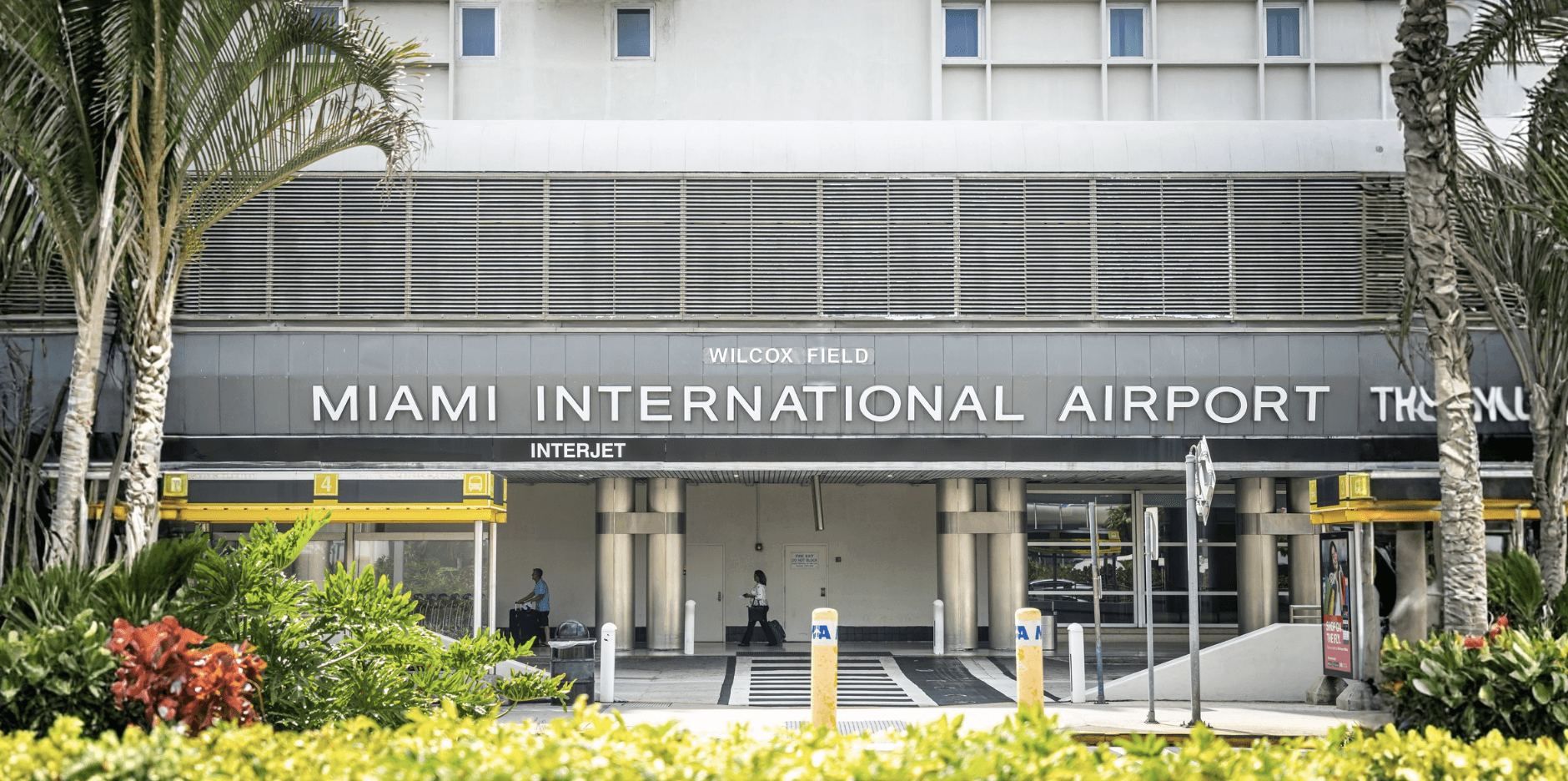
MIAMI, Federal investigators are continuing to examine a deadly cargo-plane crash at Miami International Airport as authorities work to establish what happened during the aircraft’s final approach and why it was unable to stop before leaving the runway.
The Boeing 767 cargo aircraft, operated by 21 Air for Amazon Prime Air, crashed on Sept. 6 after arriving from San Juan, Puerto Rico. The aircraft overran the runway and traveled beyond the paved surface before striking vehicles near the airport perimeter. Five people were killed and several others were injured.
The National Transportation Safety Board is leading the investigation into the accident. Investigators have recovered the aircraft’s flight data recorder and cockpit voice recorder, two key pieces of evidence that can help reconstruct the final moments of a flight.
The flight data recorder can provide information about the aircraft’s speed, altitude, heading and other operating parameters. The cockpit voice recorder can preserve communications and sounds from inside the cockpit. Together with physical evidence, air traffic control information and witness accounts, the recordings could help investigators establish a detailed timeline of the accident.
Officials have not yet announced a final cause. Investigators are expected to examine a range of factors, including the aircraft’s approach, touchdown location, speed, braking performance, runway conditions, weather and mechanical systems.
Video footage from the incident has also become part of the public discussion surrounding the crash. However, investigators must examine the available evidence in detail before determining whether any particular factor contributed to the accident.
The aircraft involved was a Boeing 767-300 freighter that was approximately 32 years old. It had originally been built as a passenger aircraft before being converted for cargo operations. The flight was operated by 21 Air under its arrangement to provide cargo services for Amazon Prime Air.
The accident had an immediate impact on operations at Miami International Airport, one of the major aviation hubs in the United States. Airport activity was temporarily disrupted following the crash as emergency crews responded to the scene and authorities secured the area.
Some flights were delayed or canceled as airport personnel dealt with the accident site and runway restrictions. Travelers using Miami International Airport during the disruption were advised to check their flight information with their airlines before traveling.
Another area investigators are expected to examine is the airport’s runway-end safety infrastructure. The affected runway does not have an Engineered Materials Arresting System, or EMAS. These systems are designed to help slow an aircraft that travels beyond the normal end of a runway.
The absence of an EMAS system does not by itself establish that runway infrastructure contributed to this accident. Investigators must determine whether such a system would have affected the outcome under the specific circumstances of the crash.
The incident also highlights the importance of protecting people who work around major airports. While aircraft accidents often focus attention on passengers and flight crews, people on the ground can also face risks when an aircraft leaves a designated operating area.
As the investigation continues, authorities are expected to review the aircraft’s maintenance history, operational records, runway characteristics, weather conditions and communications with air traffic controllers. Each piece of information can help investigators understand the sequence of events and determine which factors, if any, contributed to the crash.
Investigators typically avoid assigning responsibility during the early stages of an accident investigation. Preliminary findings can change as additional evidence becomes available, making it important to distinguish confirmed information from early observations.
For the aviation industry, the investigation could eventually provide useful information about runway safety, cargo-aircraft operations and procedures for managing aircraft during landing. Any safety recommendations issued after the investigation could also help airports and operators reduce risks associated with runway overruns.
For now, the focus remains on gathering evidence and understanding exactly what happened during the aircraft’s approach and landing. The recovery of the flight recorders represents an important step, but investigators will need to analyze those recordings alongside the physical evidence before reaching conclusions.
The National Transportation Safety Board’s final findings are expected to provide the clearest explanation of the accident and identify any safety lessons that could help prevent similar incidents in the future. Until that work is complete, authorities have emphasized that the cause of the crash remains under investigation.

LA Highlight Contributor
Covers technology, business, and national affairs, following the companies and policy shaping the region.
This article features partner, contributor, or branded content from a third party. Members of the LA Highlight editorial staff were not involved in the creation of this content. All views and opinions are those of the contributor alone.
Previous Post
Teen Vibes: A Family Dream Redefining Teen Media