Eaton Canyon Restoration Plans Unveiled As Los Angeles Community Looks Toward Recovery
Sienna Ruiz|October 10, 2026
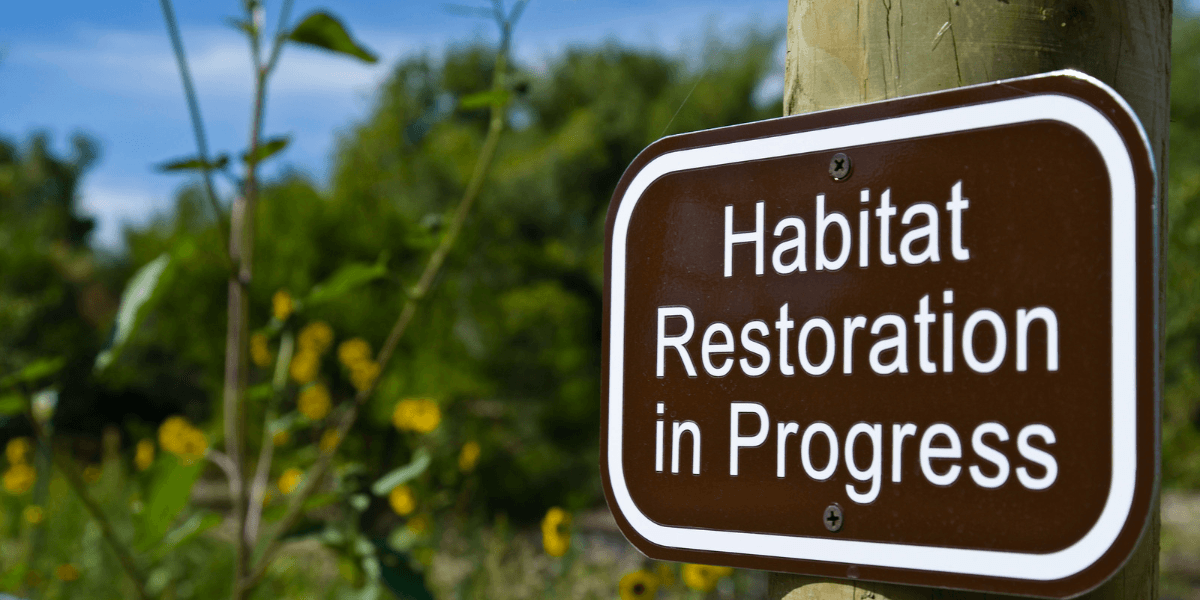
Los Angeles County reveals new Eaton Canyon restoration plans focused on wildfire resilience, nature education, and community recovery.
ARCADIA, CALIFORNIA, October 10, 2026. A new vision for one of Los Angeles County's most treasured natural destinations is beginning to take shape. Following the devastating Eaton Fire of January 2025, officials have unveiled landscape restoration concepts designed to rebuild Eaton Canyon, strengthen its resilience against future disasters, and restore opportunities for outdoor education. The plans were presented during a community gathering at the Los Angeles County Arboretum, marking an important step toward the recovery of a landscape that has remained closed since the wildfire.
More than 160 people attended the October 7 presentation, titled From Ashes to Action, where landscape architects, environmental specialists, and county representatives introduced conceptual designs for the canyon's future. The proposals include outdoor learning areas, improved visitor spaces, habitat restoration, and measures intended to reduce environmental risks. Residents also reviewed design displays and provided feedback, helping shape a recovery effort that emphasizes both ecological protection and community involvement.
Eaton Canyon Restoration Plans Focus On A Safer Future
Eaton Canyon has long served as a popular destination for hikers, families, students, and nature enthusiasts throughout Southern California. Located near Altadena in the foothills of the San Gabriel Mountains, the natural area has provided opportunities to explore local wildlife, learn about native ecosystems, and experience the region's outdoor landscapes.
The January 2025 Eaton Fire caused extensive damage to the canyon, destroying its nature center and affecting trails, vegetation, and educational facilities. The disaster also disrupted access to a location that previously welcomed hundreds of thousands of visitors annually.
The newly presented restoration concepts seek to address those losses while preparing the landscape for future environmental challenges.
Rather than simply recreating the previous facilities, planners are considering improvements that account for wildfire exposure, flooding, erosion, and changing climate conditions. The proposed approach combines ecological restoration with carefully planned public access.
County officials have emphasized that the designs remain preliminary and will continue evolving through public feedback, environmental assessments, and available funding.
New Outdoor Learning Spaces Could Transform Visitor Experiences
One of the most notable proposals involves creating a Discovery Terrace designed for families, students, and visitors experiencing Eaton Canyon for the first time.
The proposed space includes natural play features, boulders, picnic tables, a dry stream, and a sensory trail. These elements are intended to encourage exploration while helping visitors understand the canyon's environmental characteristics.
Another concept, called the Nature Forum, would transform the former nature center location into a flexible outdoor gathering space.
The proposed area could accommodate educational activities, community gatherings, and quiet reflection. Plans include seating, picnic facilities, restrooms, and pathways connecting different parts of the landscape.
A replacement nature center is also being planned for a location north of the existing parking area. Its proposed design incorporates materials and structural features intended to improve resistance to wildfire conditions.
Together, these concepts reflect an effort to make Eaton Canyon more accessible for educational purposes while respecting the ecological sensitivity of the surrounding environment.
Community Participation Shapes Eaton Canyon Recovery
Public involvement has become a central part of the restoration process.
Los Angeles County Parks has worked with residents, tribal representatives, educators, environmental specialists, and volunteer organizations to identify priorities for rebuilding the natural area.
During the October presentation, attendees reviewed conceptual renderings, discussed proposed improvements, and submitted comments.
County Parks Director Norma E. García-González emphasized the importance of community participation in developing a restoration plan that reflects the canyon's long history and public significance.
Landscape architect Megan Horn of Studio MLA also discussed the importance of understanding the canyon as a living ecosystem shaped by wildfire, rainfall, geology, and human activity.
The planning process recognizes that restoring a natural landscape involves more than replacing damaged infrastructure. It also requires protecting wildlife habitats, supporting native vegetation, and managing visitor activity in environmentally sensitive areas.
Wildfire Resilience And Environmental Protection Remain Priorities
The Eaton Canyon restoration initiative includes measures intended to support long term ecological recovery.
A resource management framework identifies areas suitable for regular public use alongside more sensitive habitats requiring greater protection.
Designers are also considering how native plants, natural drainage patterns, and soil stabilization can contribute to the canyon's recovery.
The county's Landscape Recovery Center provides space for growing native plants, coordinating volunteers, and supporting habitat restoration activities.
These efforts are particularly important because wildfire recovery can continue for years after the initial emergency has ended.
Damaged vegetation, unstable soil, and changing drainage conditions can create additional challenges during periods of heavy rainfall.
By incorporating environmental planning into the restoration process, county officials aim to reduce future risks while protecting the canyon's natural character.
Funding And Construction Remain Important Challenges
Although the proposed designs represent progress, significant work remains before Eaton Canyon can fully reopen.
County officials have identified substantial funding needs for rebuilding the nature center and restoring damaged trails.
Earlier planning discussions indicated that approximately $16 million in state funding had been secured for the nature center project, covering roughly half of its anticipated cost.
Additional financial support will be necessary to complete the proposed facilities and broader restoration improvements.
Trail repairs present another challenge because certain damaged sections require extensive engineering and environmental work.
As a result, officials have not announced a confirmed reopening date for the entire natural area.
Visitors should continue respecting existing closures while restoration activities proceed.
A New Chapter For Eaton Canyon And Los Angeles
The unveiling of Eaton Canyon's landscape restoration concepts represents an encouraging development for communities affected by the 2025 wildfire.
For residents of Altadena and neighboring Los Angeles communities, the canyon represents more than a recreational destination. It is a place associated with outdoor learning, family experiences, environmental stewardship, and local identity.
The restoration effort seeks to preserve those connections while creating a landscape better prepared for future challenges.
As planning continues, community participation will remain important in determining how Eaton Canyon evolves.
Residents interested in following the project can visit the Los Angeles County Department of Parks and Recreation website for official restoration updates and information about public participation.
The October presentation offers a meaningful glimpse of Eaton Canyon's future, where environmental recovery, education, and community involvement could help restore one of Southern California's most valued natural spaces.

LA Highlight Contributor
Covers the local desk, reporting on the neighbourhoods, civic life, and daily news of Los Angeles.
This article features partner, contributor, or branded content from a third party. Members of the LA Highlight editorial staff were not involved in the creation of this content. All views and opinions are those of the contributor alone.