NASA Awards SpaceX $946 Million For Three More International Space Station Crew Missions
Curtis Nakamura|September 18, 2026
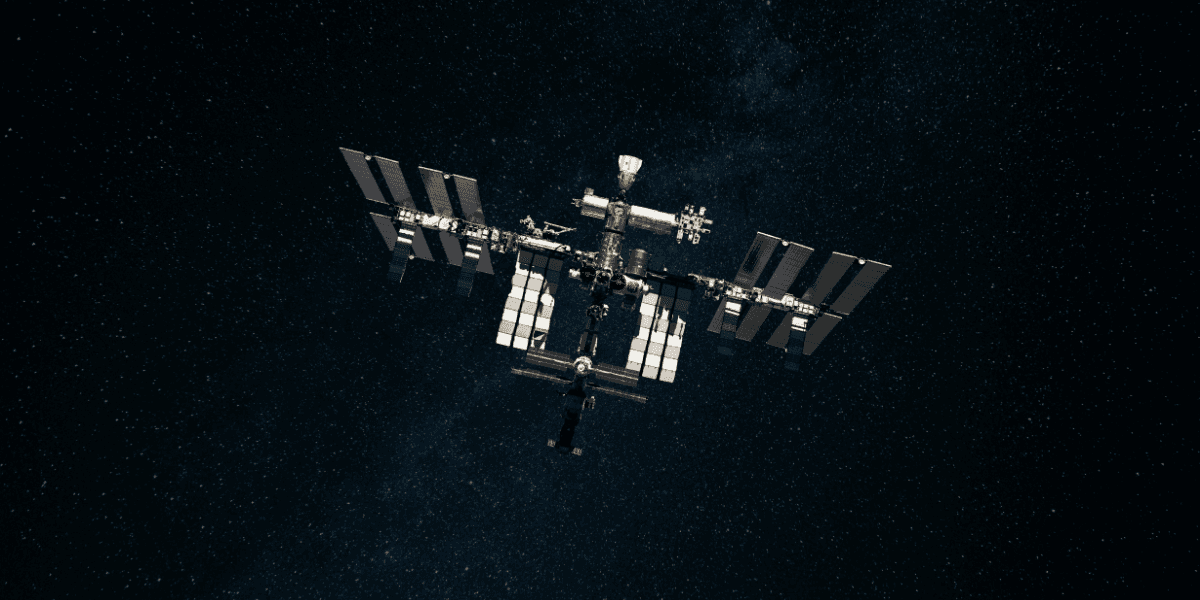
NASA expands its SpaceX crew agreement with three additional missions to help maintain reliable access to the International Space Station.
A routine journey to the International Space Station depends on years of preparation long before a rocket reaches the launchpad. On September 18, 2026, NASA took another step toward securing that access by awarding SpaceX three additional astronaut missions to the orbiting laboratory. The $946 million contract modification covers Crew 15, Crew 16, and Crew 17, extending a partnership that has become an important part of American human spaceflight.
The NASA SpaceX crew missions are part of the agency's Commercial Crew Transportation Capability contract. The latest modification raises the total number of missions awarded to SpaceX under the agreement to 17. It also increases the total value of the company's Commercial Crew contract to approximately $5.92 billion. The modification runs through 2030, with readiness dates for the newly awarded missions beginning in 2027 and 2028.
What NASA's $946 Million SpaceX Award Covers
The agreement involves considerably more than rocket launches. The $946 million covers ground operations, launches, activities in orbit, spacecraft returns, and recovery operations. It also includes cargo transportation for each flight and the ability for the Dragon spacecraft to serve as an emergency return vehicle for astronauts while docked at the International Space Station.
Each SpaceX crew mission uses the company's Dragon spacecraft and Falcon 9 rocket to transport as many as four astronauts, along with critical cargo. SpaceX received NASA certification for astronaut transportation in November 2020. By the time of the September 18 announcement, NASA's Crew 12 mission was already in orbit and docked to the station, marking SpaceX's 12th crew rotation mission for the agency.
The latest award did not emerge unexpectedly. NASA issued a notice of intent in May to acquire the additional flights. The agency described the September agreement as a firm fixed price, indefinite delivery, indefinite quantity contract modification. NASA also noted that the decision does not prevent the agency from pursuing additional transportation services if they become necessary.
Why Continued Access To The Space Station Matters
The significance of the agreement reaches beyond three individual launches. NASA's Commercial Crew Program was established to create reliable American transportation for astronauts traveling to and from low Earth orbit. In 2014, NASA selected both Boeing and SpaceX for Commercial Crew Transportation Capability contracts, with spacecraft required to meet NASA certification requirements before carrying astronauts on operational missions.
SpaceX's Dragon has since become a regular part of International Space Station operations. The additional missions give NASA scheduled transportation capacity as the space station approaches the final years of its planned operating life.
The three additional missions also bring SpaceX's Commercial Crew contract value to approximately $5.92 billion and support astronaut transportation during the closing years of this decade.
The timing is significant because NASA continues working toward maintaining multiple options for transporting crews to low Earth orbit. Having more than one commercial transportation system has been part of the Commercial Crew strategy since NASA awarded contracts to Boeing and SpaceX in 2014. The September 18 modification further establishes SpaceX's role in that program while NASA continues pursuing its broader transportation goals.
A Bigger Shift In How America Reaches Orbit
For readers outside the aerospace industry, the key takeaway is that NASA's SpaceX crew missions reflect a larger change in the structure of American spaceflight. Rather than NASA owning and operating every spacecraft used for routine crew transportation, the Commercial Crew Program relies on partnerships with private companies.
Under this model, NASA establishes safety and mission requirements and certifies transportation systems. Commercial providers develop and operate the spacecraft that carry astronauts to and from low Earth orbit.
That approach has turned launches aboard Dragon and Falcon 9 into recurring elements of NASA's human spaceflight program. The newly awarded Crew 15, Crew 16, and Crew 17 missions show that commercial transportation will remain important as NASA manages research and operations aboard the International Space Station through the end of the decade.
For Los Angeles and Southern California readers, the announcement has an especially relevant regional connection. SpaceX is headquartered in Hawthorne, California, placing a major part of the nation's commercial human spaceflight industry within the Los Angeles metropolitan area. The company's work on Dragon and Falcon 9 connects Southern California's long aerospace history with the newer commercial era of space exploration.
NASA's September 18 decision therefore represents more than another contract modification. It provides additional transportation capacity for astronauts, supports continued International Space Station operations, and reinforces the commercial model that has reshaped how the United States reaches low Earth orbit.
As Crew 15, Crew 16, and Crew 17 advance from contract awards toward mission preparation, their progress will offer another look at how government and commercial aerospace organizations are working together to maintain a continuous American presence in low Earth orbit.

LA Highlight Contributor
Covers technology, business, and national affairs, following the companies and policy shaping the region.
This article features partner, contributor, or branded content from a third party. Members of the LA Highlight editorial staff were not involved in the creation of this content. All views and opinions are those of the contributor alone.
Previous Post
WhizPro Turns Expertise Into Trusted Access