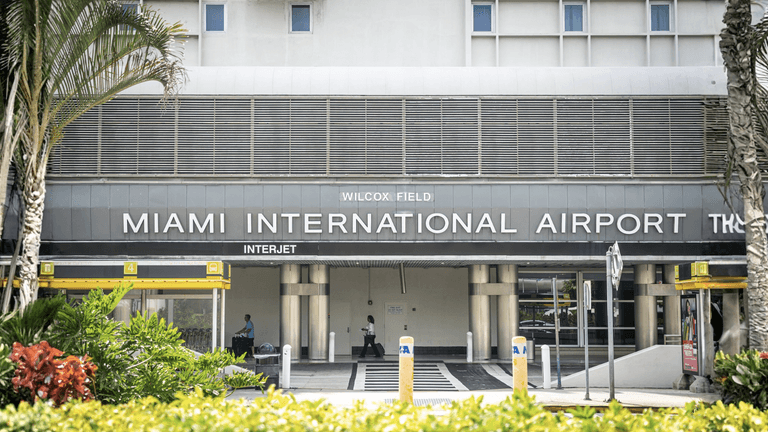
Severe Midwest Storm System Causes Widespread Travel Disruptions and Power Outages Across the United States
Curtis Nakamura|May 20, 2026
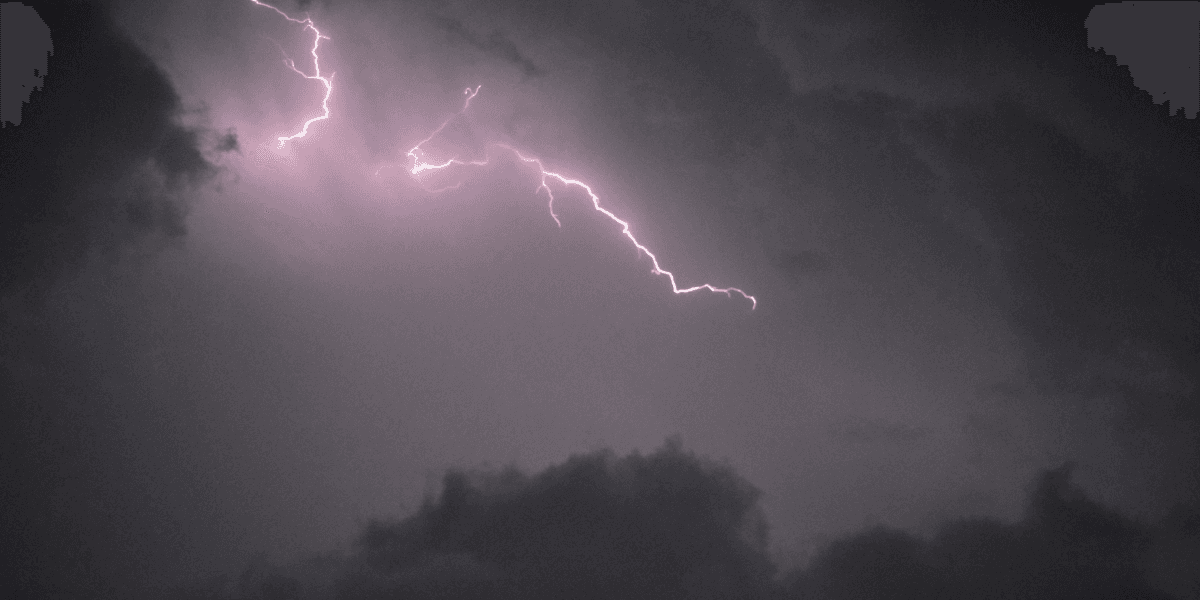
A powerful storm system sweeping across the Midwest and central United States caused widespread disruptions on Wednesday, leaving thousands without electricity, delaying air travel, and prompting severe weather alerts across multiple states.
The fast-moving weather system brought heavy rain, damaging winds, hail, and isolated tornadoes to parts of Illinois, Missouri, Indiana, Iowa, and surrounding regions. Emergency management officials reported downed power lines, flooded roads, and structural damage in several communities as crews worked throughout the day to restore services and clear debris.
The National Weather Service issued numerous severe thunderstorm and tornado warnings beginning early Wednesday morning as the storm intensified across the region. Meteorologists warned residents to remain alert for rapidly changing weather conditions, particularly during the afternoon and evening hours when the strongest storms were expected to develop.
Air travel was heavily impacted as major airports in Chicago and other Midwestern transportation hubs experienced delays and cancellations. Airlines temporarily grounded some flights due to lightning activity, strong crosswinds, and poor visibility. Travelers connecting through Chicago O’Hare International Airport and nearby airports encountered significant delays throughout the day as storms moved across the region.
Power companies reported tens of thousands of outages by Wednesday afternoon. Utility crews were dispatched to restore electricity in affected neighborhoods, though officials warned that repairs in heavily damaged areas could take longer because of fallen trees and unsafe conditions near damaged power infrastructure.
Local authorities in several states urged residents to avoid unnecessary travel during peak storm periods. Some schools and public facilities adjusted schedules or closed early as a precaution while emergency response teams monitored conditions in vulnerable communities.
Forecasters said the storm system developed from a combination of warm, humid air moving northward and a strong cold front pushing east across the Plains. These conditions created an unstable atmosphere capable of producing severe thunderstorms over a broad geographic area.
Weather experts noted that spring and early summer are historically active periods for severe weather across the central United States, often bringing tornadoes, flash flooding, and damaging wind events. Wednesday’s storm system demonstrated how quickly severe weather can affect transportation, infrastructure, and public safety across multiple states at once.
Emergency management agencies also warned residents about the risk of flash flooding in low-lying areas and urban centers. Heavy rainfall overwhelmed drainage systems in some communities, leading to road closures and stalled vehicles during the morning commute.
In Missouri and Illinois, emergency crews responded to reports of trees falling onto homes and vehicles as wind gusts exceeded 60 miles per hour in certain areas. While officials continued assessing the extent of property damage, early reports suggested that prompt weather warnings helped reduce the risk of serious injuries.
The widespread travel disruptions highlighted the broader impact severe weather can have on national transportation networks. Chicago serves as one of the country’s largest aviation hubs, meaning delays in the region can affect flights across the United States throughout the day.
Passengers were advised to monitor airline updates closely and allow additional travel time as airports worked to manage changing weather conditions. Some airlines offered flexible rebooking options for travelers affected by cancellations and delays.
The storm system also disrupted freight transportation and regional rail service in several locations. Officials monitored conditions along major highways as heavy rain and reduced visibility created hazardous driving conditions for commercial and passenger vehicles alike.
Meteorologists said the severe weather threat would gradually shift eastward overnight, potentially affecting portions of Ohio, Kentucky, and Pennsylvania before weakening later in the week. However, forecasters cautioned that isolated severe storms could still develop as the system continued moving across the country.
Public safety officials reminded residents to review emergency preparedness plans during severe weather season, including having access to weather alerts, flashlights, batteries, and emergency supplies in the event of prolonged outages.
Climate and weather researchers continue studying patterns involving increasingly intense weather systems and their impact on infrastructure and emergency response planning. While no single storm event can be directly tied to broader climate trends, experts say communities nationwide are facing growing challenges related to severe weather resilience.
For many residents across the Midwest, Wednesday’s storms served as another reminder of the importance of rapid emergency communication and preparedness during peak storm season. Utility companies, airports, and emergency crews remained on high alert throughout the evening as cleanup and recovery efforts continued.
Officials encouraged residents to stay informed through local weather updates and avoid flooded roadways or damaged utility areas until conditions fully improve. Restoration efforts are expected to continue over the next several days in the hardest-hit communities.

LA Highlight Contributor
Covers technology, business, and national affairs, following the companies and policy shaping the region.
This article features partner, contributor, or branded content from a third party. Members of the LA Highlight editorial staff were not involved in the creation of this content. All views and opinions are those of the contributor alone.