U.S. Moves Toward Second Round of Iran Talks Amid Ongoing Naval Blockade
Curtis Nakamura|April 14, 2026
On April 14, 2026, a major development involving the United States centers on renewed diplomatic efforts to de-escalate tensions with Iran following a fragile ceasefire and the implementation of a U.S.-led naval blockade in the Strait of Hormuz. The situation marks a critical moment in U.S. international engagement, with implications for global energy markets, regional stability, and diplomatic strategy.
Background: From Conflict to Ceasefire
The current developments stem from a broader conflict earlier this year that involved direct military engagement between the United States, its allies, and Iran. After weeks of escalating hostilities, a temporary ceasefire was reached on April 7, 2026. This agreement created a narrow window for diplomatic negotiations and offered hope for stabilizing a volatile situation.
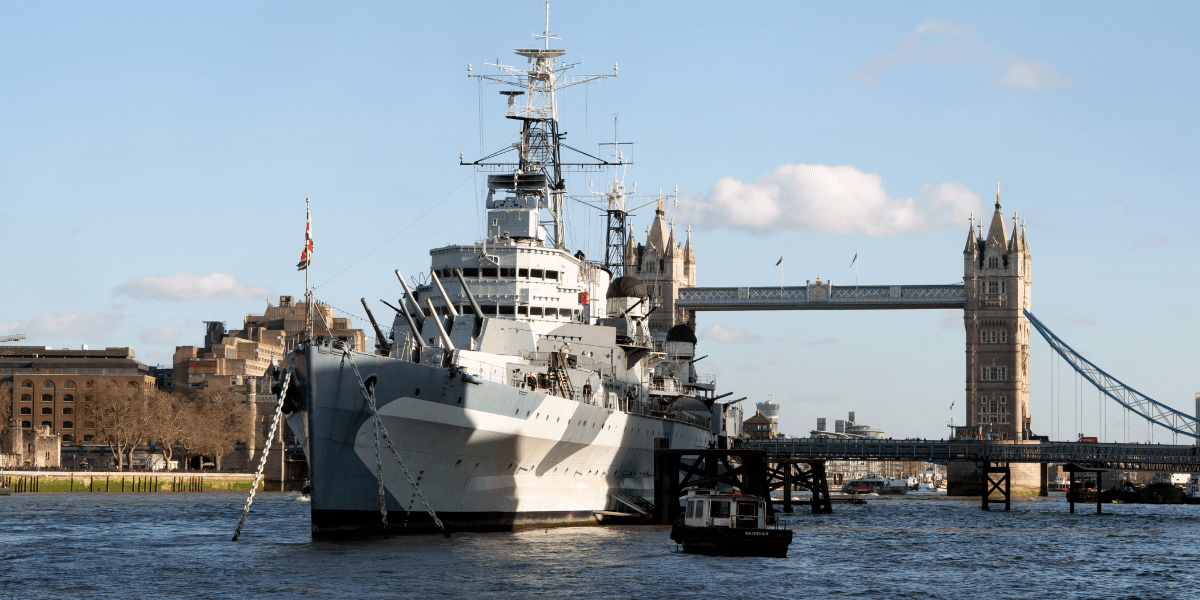
Despite the pause in active combat, tensions have remained high. On April 13, the United States implemented a naval blockade targeting Iranian ports and shipping routes, particularly through the Strait of Hormuz, one of the world’s most strategically important maritime corridors for oil transportation.
April 14 Development: Renewed Push for Negotiations
As of April 14, U.S. officials are considering a second round of negotiations with Iran after an initial set of talks failed to produce a meaningful agreement. The earlier discussions were extensive but ultimately ended without resolution due to disagreements over key issues, including nuclear development and long-term security arrangements.
Despite this, both sides appear cautiously open to continuing dialogue. Potential new talks could take place within days, possibly facilitated by international intermediaries. The willingness to return to the negotiating table signals that diplomatic channels remain active, even as tensions persist.
The U.S. has indicated that it is open to further discussions, provided that certain conditions are met. Iran, meanwhile, has expressed interest in continuing negotiations but has strongly criticized the naval blockade, viewing it as a provocative measure.
The Naval Blockade and Its Implications
A central element of the current situation is the U.S. naval blockade, which is designed to restrict Iranian maritime activity and increase pressure on its government. The Strait of Hormuz plays a critical role in global energy supply, serving as a major route for oil shipments.
The blockade has raised concerns about potential disruptions to global energy markets and increased risks for commercial shipping in the region. Even minor disruptions in this area can have ripple effects on fuel prices worldwide, affecting both businesses and consumers.
Iran has warned that interference with its vessels could be interpreted as a violation of the ceasefire, raising the possibility of renewed conflict. This creates a delicate balance between applying pressure and avoiding escalation.
Broader Significance
For the United States, the events unfolding on April 14 highlight several important considerations:
Energy Market Stability
The Strait of Hormuz is vital to global oil distribution. Any prolonged disruption could influence fuel prices internationally, including in major metropolitan areas where energy costs directly impact daily life.
National Security Strategy
The use of a naval blockade underscores the role of military presence in enforcing strategic objectives. However, it also raises questions about the risks of prolonged engagement and the potential for unintended escalation.
Diplomatic Leadership
The ongoing efforts to resume negotiations demonstrate the U.S. commitment to resolving conflicts through diplomatic means. Collaboration with international partners may play a key role in facilitating future agreements.
Key Takeaways
Several important insights emerge from this development:
- Diplomatic efforts are ongoing despite recent setbacks.
- The situation remains fluid, with the possibility of renewed talks in the near future.
- Global energy markets may be affected by continued tensions in the region.
- The risk of escalation persists due to the combination of military pressure and unresolved disputes.
Looking Ahead
The coming days will be critical in determining whether diplomacy can lead to a more stable resolution. A second round of negotiations could provide an opportunity to build on the existing ceasefire and address key areas of disagreement.
At the same time, the continued enforcement of the naval blockade ensures that pressure remains high, maintaining a complex balance between negotiation and confrontation.
April 14, 2026, stands as a significant moment in U.S. efforts to manage a complex international challenge. The outcome of these developments could shape not only regional dynamics but also broader global stability in the months ahead.

LA Highlight Contributor
Covers technology, business, and national affairs, following the companies and policy shaping the region.
This article features partner, contributor, or branded content from a third party. Members of the LA Highlight editorial staff were not involved in the creation of this content. All views and opinions are those of the contributor alone.