U.S. to Photograph All Noncitizens Entering and Exiting the Country
Curtis Nakamura|October 27, 2025
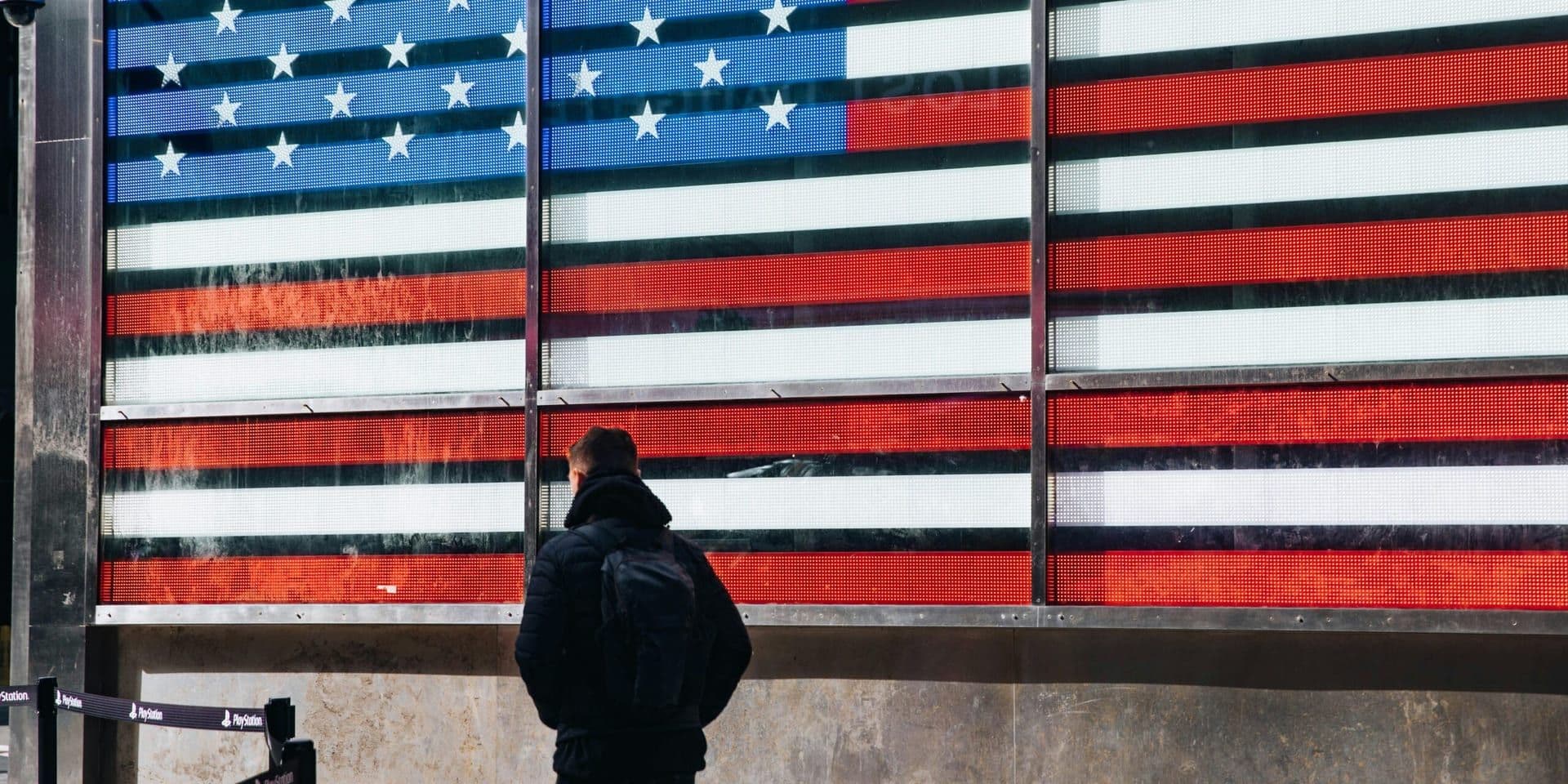
The U.S. government has announced a new policy that will require the photographing of all noncitizens entering and exiting the country. This measure, which is part of a broader effort to enhance border security and improve immigration tracking systems, aims to provide better oversight of individuals who are entering and leaving the United States. While the government asserts that this policy is a necessary step to improve national security and strengthen immigration enforcement, it has sparked a significant debate over privacy concerns and the practical challenges involved in its nationwide implementation.
The policy mandates that all noncitizens, including tourists, business travelers, students, and other foreign nationals, will have their photographs taken at U.S. ports of entry and departure. This initiative is designed to streamline the process of tracking international arrivals and departures, making it easier for authorities to monitor immigration patterns and identify individuals who may overstay their visas or engage in unlawful activities. By using biometric data such as photographs, the government hopes to create a more accurate and efficient tracking system that will reduce the risks associated with illegal immigration and enhance national security measures.
Supporters of the policy argue that it is a critical step in modernizing the U.S. immigration system, pointing to the increasing importance of biometric technology in border security worldwide. They contend that taking photographs of all noncitizens is a necessary measure to safeguard against fraudulent identities, overstays, and other forms of immigration-related violations. Additionally, proponents suggest that it will help create a more reliable record of individuals’ movements, aiding in the identification and deportation of those who do not comply with U.S. immigration laws.
However, the announcement has also sparked concerns among privacy advocates and civil liberties groups. Critics argue that the new policy raises serious privacy issues, particularly regarding the storage and use of biometric data. There are fears that the photographs could be misused or become part of a larger surveillance system that could infringe on individuals’ rights. The policy could also disproportionately impact certain groups, such as travelers from specific countries, leading to potential discrimination and a breach of privacy protections.
Furthermore, the logistics of implementing such a policy on a national scale present a set of challenges. With thousands of people entering and exiting the country every day, officials will need to ensure that adequate infrastructure is in place to capture, store, and protect the vast amounts of biometric data. There are also questions about how the photographs will be used, who will have access to them, and how they will be stored to comply with privacy laws. Additionally, the policy’s effectiveness in preventing illegal immigration or improving security may depend on the capacity of border enforcement agencies to implement it consistently and accurately.
The policy’s implementation also raises concerns about the potential for bureaucratic delays and logistical issues, particularly at busy ports of entry. The process of photographing noncitizens could lead to longer wait times at border crossings, creating additional congestion and frustration for travelers.
As the U.S. prepares to roll out this policy, there will likely be ongoing discussions and legal challenges surrounding its impact on privacy, immigration procedures, and national security. While the government emphasizes the importance of enhancing border security, the policy’s broader implications for personal freedoms and the potential for surveillance will continue to be a contentious issue as it moves forward.

LA Highlight Contributor
Covers technology, business, and national affairs, following the companies and policy shaping the region.
This article features partner, contributor, or branded content from a third party. Members of the LA Highlight editorial staff were not involved in the creation of this content. All views and opinions are those of the contributor alone.