Hurricane Polo Sends High Surf Toward Los Angeles County Beaches As Coastal Flood Risk Grows
Sienna Ruiz|September 25, 2026
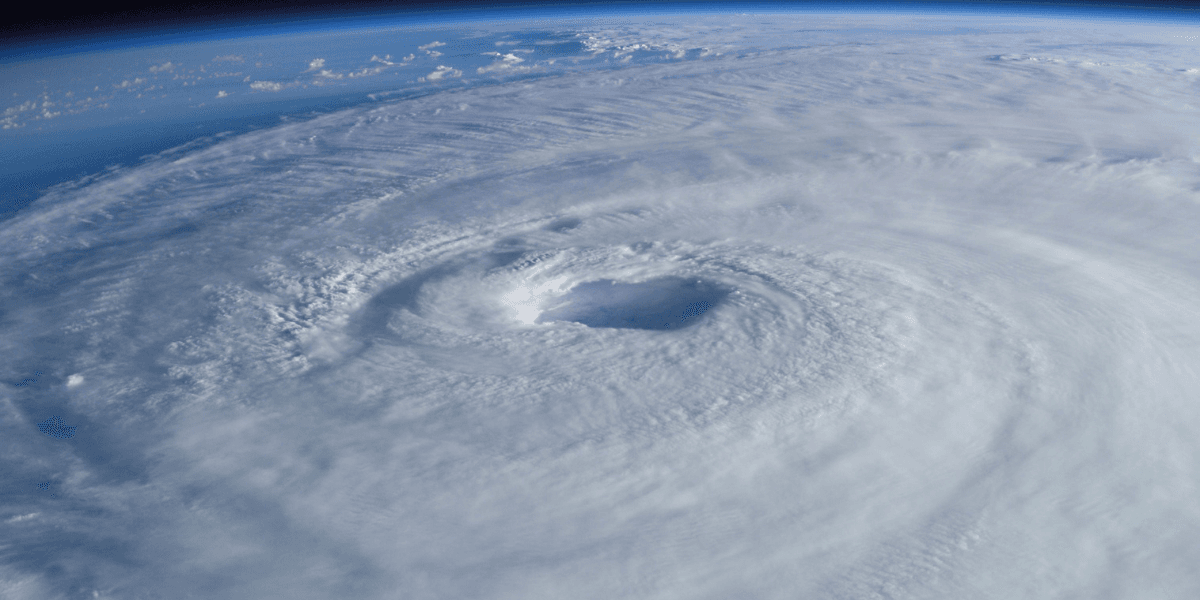
High surf from Hurricane Polo is heading toward Los Angeles County, raising concerns about rip currents, erosion and coastal flooding.
Southern California residents received a new reminder of the Pacific Ocean's power on September 26, 2026, as forecasters warned that Hurricane Polo would send elevated surf toward Los Angeles County beaches. Although the hurricane itself is not expected to make landfall in California, waves generated by the storm are forecast to combine with unusually high tides, creating potentially hazardous conditions along parts of the coast. For communities still dealing with the effects of recent powerful surf, the approaching waves are bringing renewed attention to beach safety, erosion and coastal flooding.
Hurricane Polo Brings New Coastal Concerns to Los Angeles
Hurricane Polo strengthened over the Pacific Ocean off Mexico, developing into a major hurricane as it moved toward Baja California Sur. The storm reached Category 4 strength on September 26, with sustained winds reported at 140 mph.
California is not in the hurricane's direct path. However, powerful tropical systems can send large swells hundreds of miles from their centers. Those waves are expected to reach Southern California and affect beaches across Los Angeles and Ventura counties.
Forecasters expect surf of approximately four to seven feet in Los Angeles and Ventura counties on Monday and Tuesday. Strong rip currents are also possible, creating additional hazards for swimmers and surfers.
The timing is important because the incoming surf is expected to overlap with high tides. When elevated waves and high tides occur together, ocean water can travel farther inland than usual. That combination increases the possibility of minor coastal flooding, beach erosion and water reaching low lying areas near the shoreline.
A coastal flood advisory has been issued for Los Angeles and Ventura counties for Monday and Tuesday. Orange and San Diego counties are also expected to experience coastal impacts as the swells move through the region.
Long Beach Faces Another Test From Powerful Waves
The approaching surf is especially significant for Long Beach, where residents and officials have already dealt with damage caused by large waves earlier in September.
Powerful surf associated with Hurricane Marie previously struck parts of the Southern California coastline, damaging beachfront property and removing sand from some beaches. In Long Beach, waves reached the seawall and affected homes along the peninsula.
With another period of elevated surf approaching, crews have been working to strengthen vulnerable areas. Preparations have included reinforcing portions of the boardwalk and making sandbags available as residents monitor conditions.
The situation highlights a reality of coastal life in Southern California. A hurricane does not have to reach Los Angeles to create local consequences. Storms far offshore can generate waves that travel across the Pacific and eventually reach heavily populated beaches.
For Los Angeles County, that means conditions can change even when skies remain relatively calm and the center of a storm is hundreds of miles away.
High Tides Could Increase Flooding and Erosion
The combination of hurricane generated swells and high tides is one of the main reasons forecasters are watching the coast closely.
Elevated ocean levels can allow incoming waves to push water farther onto beaches and into locations that normally remain dry. Repeated wave action can also remove sand and reshape portions of the shoreline.
Beach erosion is more than a visual change. Sand provides a natural buffer between the ocean and homes, roads, walkways and other coastal infrastructure. When significant amounts disappear, communities can become more exposed to later waves.
Rip currents present another concern. These narrow, powerful channels of moving water can carry swimmers away from shore and may become stronger during periods of elevated surf.
Beach visitors should pay close attention to posted warnings and instructions from lifeguards. Conditions can vary considerably from one beach to another, and a shoreline that appears manageable from a distance may contain dangerous currents.
People should also avoid climbing onto rock jetties or standing close to breaking waves during periods of heavy surf. Unexpected waves can sweep across rocks and other exposed coastal structures.
What Los Angeles Residents Should Know
Hurricane Polo is expected to have a much greater direct impact in Mexico than in Southern California. Its importance for Los Angeles lies primarily in the ocean conditions it is producing.
The storm is also developing during a period of unusually warm Pacific waters. Warm ocean temperatures can provide tropical systems with energy, helping powerful storms maintain their strength under favorable atmospheric conditions.
Another hurricane, Odalys, has also been active over the eastern Pacific, although it is positioned farther west and is expected to turn away from land and weaken.
For Southern California, the immediate focus remains the approaching surf and the overlap with high tides.
Residents near the coast should continue monitoring official weather information as conditions develop. Beachgoers should check local warnings before entering the water and follow lifeguard guidance when visiting the shoreline.
The broader takeaway is that Los Angeles can experience meaningful effects from tropical weather without taking a direct hit. As Hurricane Polo approaches Mexico, its distant influence is already reaching Southern California, making the next several days an important period for caution along the Los Angeles County coast.

LA Highlight Contributor
Covers the local desk, reporting on the neighbourhoods, civic life, and daily news of Los Angeles.
This article features partner, contributor, or branded content from a third party. Members of the LA Highlight editorial staff were not involved in the creation of this content. All views and opinions are those of the contributor alone.