
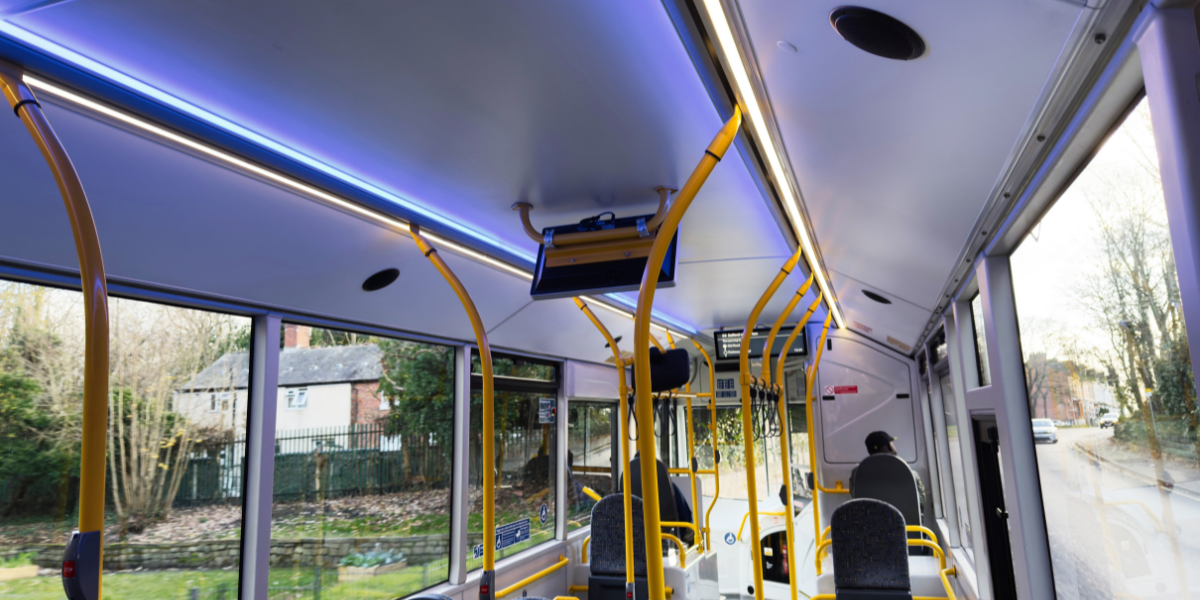
Los Angeles is accelerating its transition to cleaner public transportation as the Los Angeles County Metropolitan Transportation Authority (LA Metro) continues expanding its fleet of battery-electric buses across the region. The move is part of the agency’s long-term strategy to reduce greenhouse gas emissions, improve air quality, and modernize the city’s public transit system for millions of residents and visitors.
The initiative, which has been gradually rolling out over the past several years, reached another milestone this week as additional electric buses were placed into service on several heavily used routes throughout the city. Transit officials say the expansion represents a key step toward Metro’s goal of operating a fully zero-emission bus fleet by 2030.
A Major Shift Toward Cleaner Transit
LA Metro operates one of the largest public transportation systems in the United States, serving more than 9 million residents across Los Angeles County. The agency’s bus network alone covers thousands of miles and carries hundreds of thousands of passengers daily.
Traditionally, most of these buses have run on compressed natural gas (CNG), which produces fewer emissions than diesel but still contributes to air pollution and greenhouse gases. Electric buses, by contrast, produce zero tailpipe emissions, making them an important tool for cities seeking to improve urban air quality.
According to LA Metro officials, the newly deployed vehicles are battery-electric buses capable of traveling over 200 miles on a single charge depending on route conditions and passenger load. Charging infrastructure has been installed at multiple Metro bus divisions across the county to support the growing fleet.
The agency has already introduced dozens of electric buses in recent years, and procurement plans call for hundreds more to be added before the end of the decade.
Addressing Air Quality in Southern California
Air quality has long been a major concern in Southern California. The region’s geography, combined with heavy traffic and industrial activity, has historically contributed to smog and pollution challenges.
Transportation remains one of the largest sources of greenhouse gas emissions in California, accounting for roughly 40 percent of the state’s emissions. Electrifying public transit is widely viewed by environmental planners as a critical strategy for reducing pollution in densely populated metropolitan areas.
Local officials say that replacing traditional buses with electric models can significantly cut emissions while also reducing noise pollution along busy city corridors.
Zero-emission buses represent a major investment in cleaner air and a healthier future for Los Angeles communities while also supporting broader climate goals across the state.
Technology Behind the New Fleet
Modern electric buses use large lithium-ion battery packs that power electric motors instead of internal combustion engines. These systems require less mechanical maintenance and can provide smoother acceleration compared with traditional buses.
Metro has also incorporated advanced fleet management technology that allows operators to monitor battery levels, energy consumption, and route efficiency in real time. This data helps transit planners optimize routes and charging schedules while maintaining reliable service for passengers.
Charging stations at Metro bus yards allow vehicles to recharge overnight, while some routes may eventually utilize fast-charging technology to extend operational range during the day.
Benefits for Riders
For passengers, the transition to electric buses is expected to provide a quieter and smoother travel experience. Electric motors generate significantly less noise than traditional engines, which can improve comfort for riders and reduce noise levels in neighborhoods served by major transit routes.
Transit officials emphasize that the shift toward electric buses will not change fares or service schedules but instead aims to improve sustainability while maintaining the reliability of the existing transit network.
Public transportation remains an essential part of Los Angeles mobility, connecting communities across the region and providing an alternative to private vehicle travel in one of the country’s most traffic-congested metropolitan areas.
A Broader Trend Across the United States
Los Angeles is not alone in pursuing electrified public transportation. Cities across the United States, including New York, Seattle, and Chicago, are investing in electric bus technology as part of broader sustainability goals.
Federal funding programs and state-level climate initiatives have also helped support transit agencies in upgrading aging fleets with zero-emission vehicles.
California has been particularly active in this area. State regulations require public transit agencies to transition toward zero-emission bus fleets in the coming years, encouraging cities to adopt cleaner transportation technologies.
Looking Ahead
As Los Angeles prepares to host major international events later in the decade, including the 2028 Olympic and Paralympic Games, city leaders have emphasized the importance of modernizing transportation infrastructure to support increased visitor traffic and sustainability goals.
The continued rollout of electric buses is expected to play an important role in that effort, helping the region move toward a cleaner and more efficient transportation system.
While the transition will take several more years to fully complete, the latest expansion signals steady progress toward Metro’s long-term vision of a zero-emission transit fleet serving the entire Los Angeles region.