
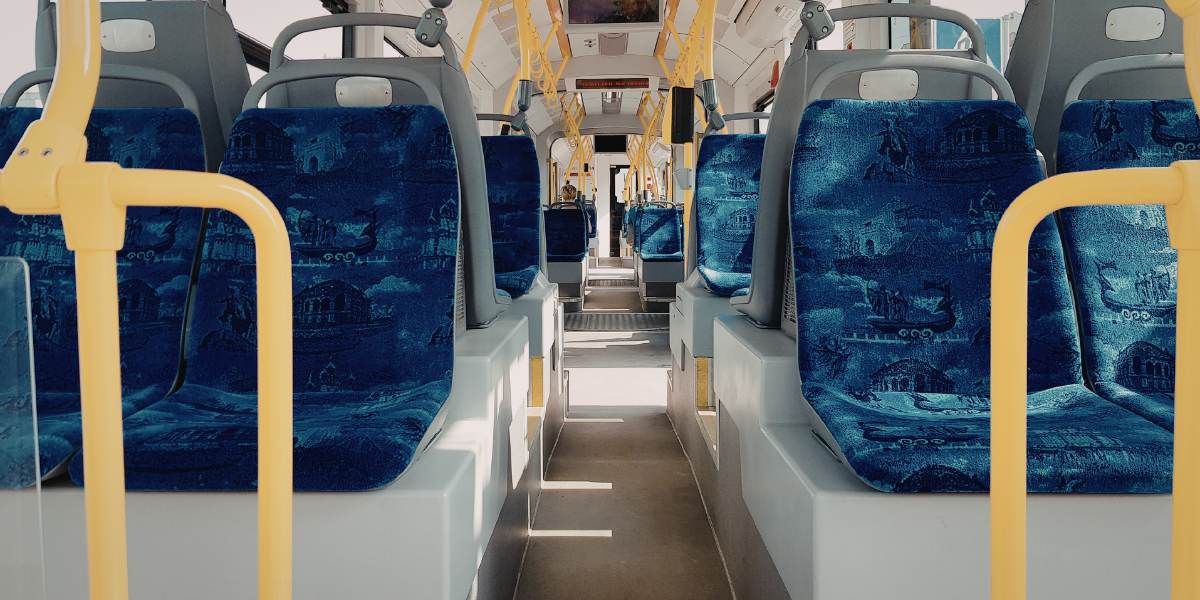
Los Angeles transportation officials recently announced a major expansion of the city’s electric bus fleet, marking another step in the region’s long-term effort to modernize public transit and reduce emissions. The Los Angeles County Metropolitan Transportation Authority (LA Metro) confirmed that dozens of additional battery-electric buses will enter service during 2026, strengthening the agency’s broader plan to transition to a fully zero-emission fleet.
LA Metro operates one of the largest public transportation systems in the United States, serving millions of passengers each year through an extensive network of buses and rail lines across Los Angeles County. The introduction of more electric buses represents a key component of Metro’s strategy to replace traditional diesel-powered vehicles with cleaner alternatives. Officials say the transition is intended to improve air quality, reduce long-term operational costs, and support California’s environmental objectives.
Transition Toward Zero-Emission Transit
The move toward electric buses reflects California’s aggressive climate and clean energy goals. Transportation remains one of the largest sources of greenhouse gas emissions in the state, and public transit agencies have been encouraged to adopt cleaner technologies to reduce their environmental impact.
Battery-electric buses operate using large rechargeable battery systems that power electric motors rather than internal combustion engines. Unlike diesel-powered buses, electric buses produce no tailpipe emissions and generate significantly less noise during operation.
Transit agencies across California have been gradually integrating zero-emission vehicles in response to statewide regulations that require public transportation fleets to transition away from fossil fuels over the coming decade. Los Angeles, with its dense population and heavy traffic, is considered one of the most important regions for implementing these changes due to long-standing concerns about air pollution.
Benefits for Urban Communities
The expanded electric bus program is expected to provide several benefits for neighborhoods throughout Los Angeles County. Cleaner buses can help reduce harmful pollutants that are commonly produced by diesel engines, which have historically contributed to air quality issues in large urban areas.
Residents living near major bus routes may also experience reduced noise levels, since electric vehicles operate more quietly than traditional buses. This change can be particularly noticeable in densely populated neighborhoods where buses operate frequently throughout the day.
City officials have emphasized that environmental improvements can also contribute to public health benefits. Lower emissions from transportation systems can reduce exposure to pollutants associated with respiratory conditions and other health concerns.
As part of the rollout, Metro plans to prioritize routes with high passenger demand and communities where environmental improvements could have the greatest impact. Riders on these routes may begin seeing the new electric buses enter service gradually throughout the year.
Infrastructure and Technology Upgrades
Expanding an electric bus fleet requires more than purchasing new vehicles. Transit agencies must also invest in charging infrastructure and operational systems capable of supporting electric fleets on a large scale.
LA Metro has been upgrading several bus depots to include advanced charging stations that allow buses to recharge their batteries during off-service hours or scheduled breaks. These charging facilities are designed to support daily operations while ensuring buses maintain sufficient range for long routes across the region.
In addition to charging systems, the agency is implementing advanced fleet management technology that allows operators to monitor vehicle performance, battery health, and maintenance needs. These systems help improve reliability and ensure that electric buses remain ready for daily service.
Although electric buses typically have higher upfront purchase costs compared to diesel vehicles, transit experts note that they can provide long-term financial benefits. Electric motors generally require less maintenance because they have fewer mechanical components than traditional engines, which can reduce repair costs over time.
Supporting Long-Term Sustainability Goals
The expansion of electric public transportation reflects Los Angeles’ broader commitment to sustainability and environmental responsibility. City leaders have introduced multiple initiatives focused on renewable energy, electric vehicles, and environmentally conscious infrastructure development.
Public transit plays an essential role in reducing overall vehicle emissions by providing alternatives to private car travel. By improving the sustainability of buses themselves, transportation officials hope to further strengthen the environmental benefits of mass transit.
These improvements are particularly important as Los Angeles prepares for major international events in the coming years, including the 2028 Summer Olympics. Transportation upgrades and sustainability initiatives are expected to be a central part of preparations as the city prepares to welcome millions of visitors.
Looking Ahead
Metro officials say the expansion of the electric bus fleet is only one stage of a larger transition that will continue throughout the decade. Additional zero-emission buses are expected to be introduced gradually as older diesel vehicles are retired.
Future plans include continued investments in charging infrastructure, improved battery technology, and route planning systems that help maximize efficiency. Transit leaders believe these upgrades will create a more reliable, environmentally friendly public transportation network for the region.
For residents and commuters throughout Los Angeles County, the introduction of more electric buses represents a visible sign of how technology and sustainability efforts are reshaping transportation in one of America’s largest metropolitan areas. As the fleet continues to grow, electric buses are expected to play a significant role in the city’s evolving mobility landscape while supporting cleaner air and a more sustainable future.