NASA Names Winners Of Mars Food Challenge As Deep Space Missions Test New Ideas
Curtis Nakamura|September 24, 2026
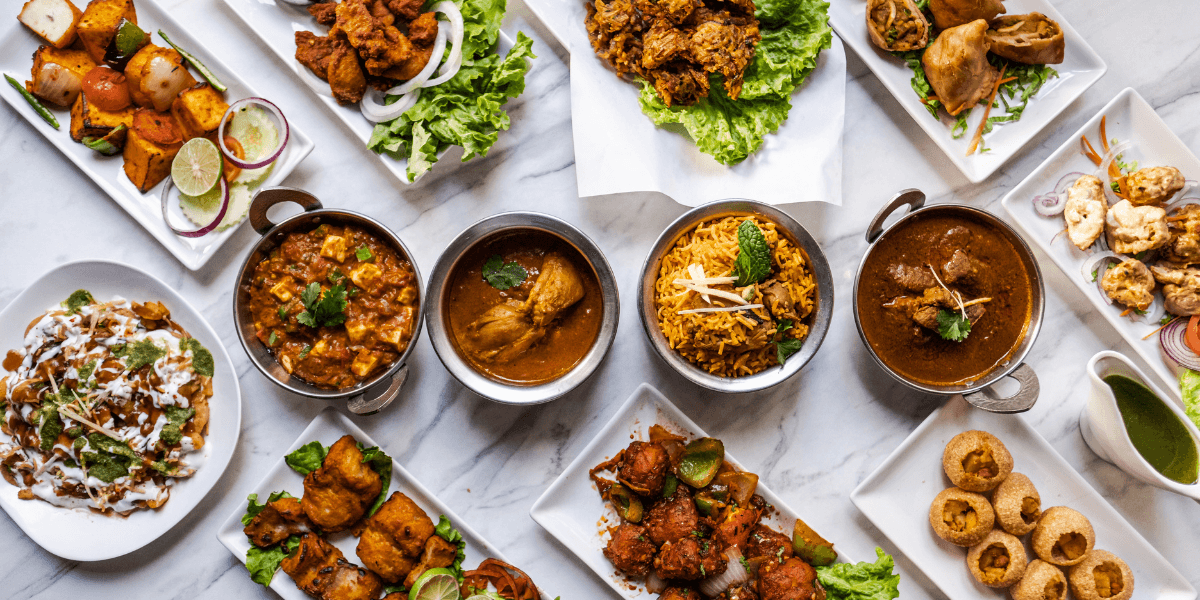
NASA selected five winners in its Mars food challenge, testing ideas that could help future astronauts produce meals far from Earth.
Sending people to Mars presents an unusual question that begins long before astronauts ever reach the planet: What will they eat? On September 24, NASA revealed five winning concepts from its Deep Space Food Challenge: Mars to Table, highlighting new approaches designed to help future crews produce safe and nutritious meals during extended missions far from Earth. The competition drew 113 submissions from teams representing 33 countries and 28 U.S. states before NASA selected the five winners.
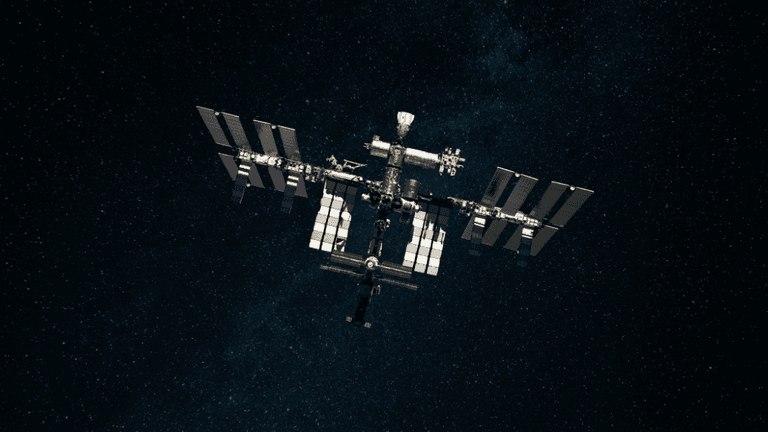
The challenge focused on a problem that becomes more difficult as missions travel farther from Earth. Astronauts aboard the International Space Station currently rely largely on meals prepared, packaged, and launched from Earth. That system works when regular cargo missions can reach a crew. Mars presents a much different logistical problem.
A one way journey to Mars is expected to take at least nine months. Future crews would also need food while working on the Martian surface. Carrying every meal from Earth creates concerns involving storage life, spacecraft mass, available space, and the reliability of supplies over an extended mission.
NASA Asked Teams To Rethink Space Food
NASA launched Mars to Table in January 2026 as a continuation of its earlier Deep Space Food Challenge. Instead of asking competitors to develop one isolated food technology, the new competition required participants to think about the complete system needed to feed astronauts.
Teams were given an ambitious scenario. Their concepts had to address the needs of 15 astronauts spending 500 Martian sols on the surface. That equals roughly 513 Earth days.
Each entry needed to consider more than what astronauts would eat. Teams prepared system layouts, meal plans, operating concepts, and videos showing how their ideas could function. The challenge also emphasized reducing the amount of crew time required to operate and maintain a food production system.
NASA ultimately distributed $650,000 among five winning entries.
Philadelphia Innovator Takes The Top Prize
The first place award and its $300,000 prize went to Chinyere Ukeje of Philadelphia for a concept called Adaptive Nourishment Infrastructure, or ANI.
The proposed system combines controlled environment agriculture, fermentation, fungi cultivation, nutrient recycling through bioreactors, and a limited supply of food brought from Earth. NASA said the concept was designed with the goal of producing half of a crew's food away from Earth.
ANI also considers the unpredictable nature of living on another planet. The system is designed to continue providing meals when astronauts face limitations involving water, power, equipment, or available crew time.
That resilience is important because a Mars crew could not simply wait for an immediate replacement shipment if a critical part of its food system failed.
Second place and a $200,000 award went to Cislune of Rosemead, California, giving the challenge a direct Southern California connection. Its Fresh, Ferment, Reserve concept combines crops, food processing, and protected supplies transported from Earth.
The California team's inclusion shows how expertise from Southern California continues to contribute to the broader technology and engineering challenges surrounding space exploration.
Why Feeding Mars Crews Is So Complicated
Food for deep space missions involves more than calories.
Future systems must account for nutrition, reliability, storage, waste, resources, crew workload, and variety. Astronauts on a long mission would need a system capable of functioning for months without the supply network available to people on Earth.
Fresh food production could reduce dependence on packaged meals, but growing food also requires water, energy, equipment, space, and maintenance. A practical system must balance those demands.
That is why NASA's competition emphasized integrated concepts. A promising growing technology alone does not solve the entire food problem. Future mission planners must consider how crops, food preparation, storage, recycling, and emergency reserves can operate together.
The challenge also illustrates how planning for Mars requires engineers and researchers to examine ordinary parts of life in extraordinary detail. Activities that are routine on Earth, including preparing breakfast or replacing spoiled ingredients, become complicated when the nearest major supply network is millions of miles away.
What The Mars To Table Challenge Means
The September 24 announcement does not mean NASA has selected a final food system for a future Mars mission. Instead, the winning designs provide concepts that can inform continued research into how astronauts could live and work independently during deep space exploration.
The competition also demonstrates the role of open challenges in expanding the range of ideas available to NASA. By drawing entries from dozens of countries and states, the agency was able to examine different approaches to the same difficult problem.
For readers, the key takeaway is that reaching Mars is only one part of the challenge. Keeping people healthy, supplied, and productive after they arrive requires solutions for everyday needs that are easy to overlook from Earth.
Food is one of the clearest examples.
NASA's Mars to Table winners offer an early look at how future explorers might move beyond relying almost entirely on packaged supplies from home. The eventual solutions may differ from the concepts announced September 24, but the problem they address will remain fundamental.
Before people can establish a sustained presence on Mars, they will need reliable ways to put food on the table.

LA Highlight Contributor
Covers technology, business, and national affairs, following the companies and policy shaping the region.
This article features partner, contributor, or branded content from a third party. Members of the LA Highlight editorial staff were not involved in the creation of this content. All views and opinions are those of the contributor alone.