
In a high-stakes regular season NBA matchup on January 7, 2026, the San Antonio Spurs hosted the Los Angeles Lakers at Frost Bank Center and walked away with a convincing 107–91 win. The game marked a critical moment in the 2025–26 NBA season for both franchises, who are fighting for positioning in a crowded and competitive Western Conference. While both teams entered the game with strong records, the Spurs used a balanced offensive attack and a dominant defensive performance to stifle the Lakers and assert themselves as a top-tier contender.
San Antonio’s win improved their season record to 27–11, a mark that keeps them firmly in the upper echelon of the Western standings. The Lakers, meanwhile, dropped to 23–13, a record that reflects both their high potential and recent inconsistencies, many of which stem from injury challenges and lineup instability. This game highlighted the contrasting directions of the two teams—one gaining momentum with its youthful core and defensive depth, the other still searching for lineup chemistry amid roster setbacks.
The Spurs set the tone early, establishing a tenacious defensive presence that limited Los Angeles to a poor shooting night. San Antonio forced the Lakers into low-percentage shots and capitalized on rebounds to transition into fast-break opportunities. Their approach paid off as they outscored the Lakers in nearly every quarter, controlling tempo and pace from start to finish.
Keldon Johnson led the way for the Spurs with an impressive 27-point performance on an ultra-efficient 11-of-13 shooting. Johnson was effective both in the paint and on mid-range looks, using his physicality and awareness to exploit mismatches. His offensive rhythm was complemented by his contributions on the glass and on defense, providing San Antonio with a two-way leader who energized the team throughout the game.
Also making a significant impact was rookie sensation Victor Wembanyama, who continued to build his case for Rookie of the Year honors. The 7-foot-4 Frenchman posted a double-double with 16 points and 14 rebounds, adding four blocks and altering numerous shots around the rim. His presence forced the Lakers to rethink their interior approach, and his chemistry with teammates continues to grow with each game. Wembanyama’s ability to stretch the floor and protect the paint has made him a cornerstone of San Antonio’s strategy this season.
Despite the loss, the Lakers received a standout effort from Luka Dončić, who recorded a triple-double with 38 points, 10 rebounds, and 10 assists. Dončić was aggressive from the start, carrying the offensive load for a depleted Lakers squad missing key veterans. His scoring versatility, court vision, and composure under pressure were on full display, but his efforts were not enough to overcome the Spurs’ collective execution.
Los Angeles was without LeBron James, who missed the game due to ongoing issues related to arthritis and sciatica. The absence of James was felt deeply, as the Lakers lacked the secondary playmaking and leadership he provides. Also missing from the lineup were Austin Reaves and Rui Hachimura, both sidelined with injuries, which further strained the team’s depth and limited coach Darvin Ham’s rotational flexibility. These injuries forced the Lakers to rely heavily on younger, less experienced players and stretch their core contributors.
For the Spurs, the victory was more than just another win—it was a statement about their ability to compete with elite-level talent. De’Aaron Fox added 14 points and played a steady hand as a floor general, while Stephon Castle and Julian Champagnie chipped in timely buckets and defensive stops. The depth of San Antonio’s bench and the balanced scoring across the roster were defining aspects of their performance.
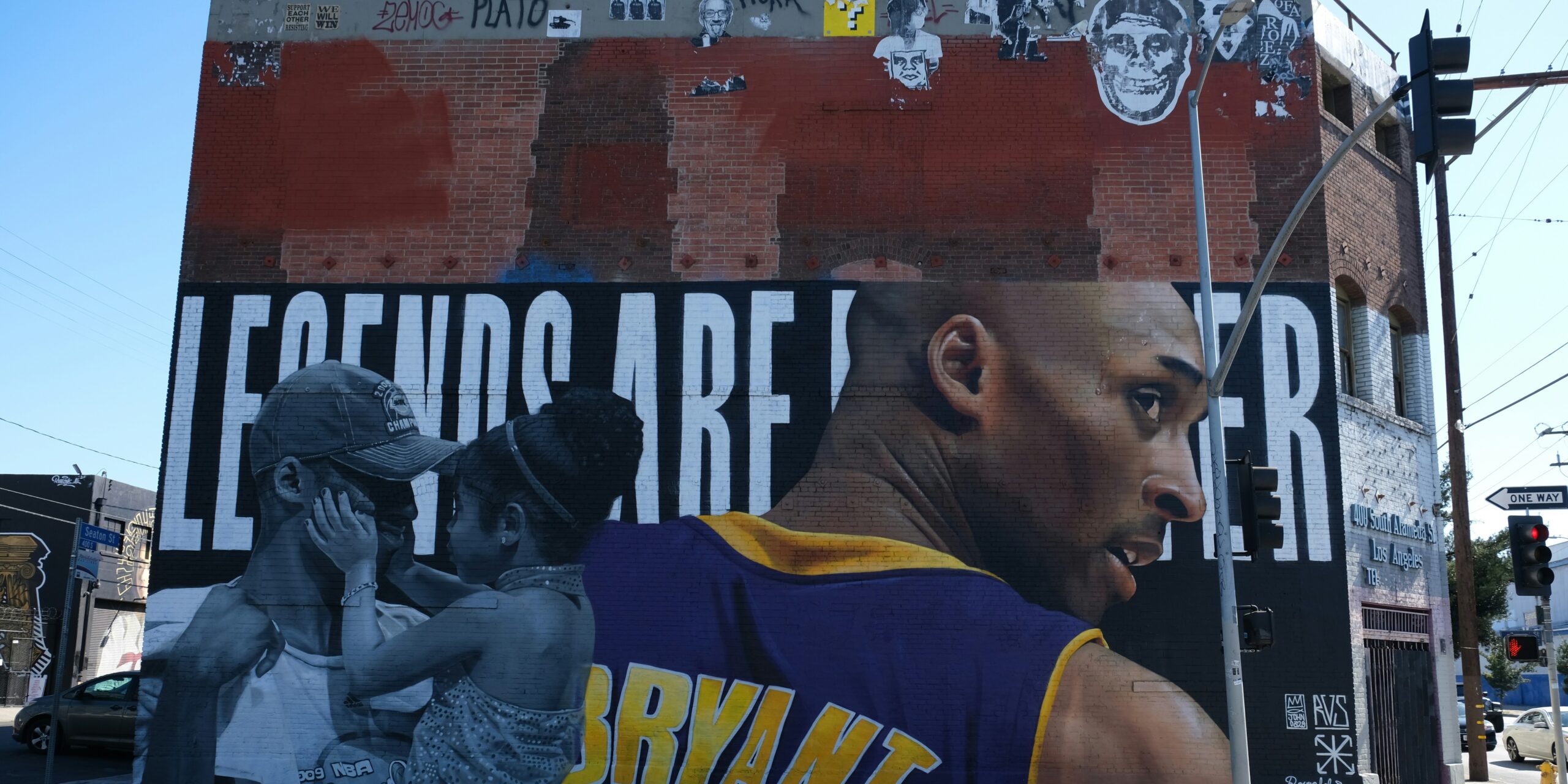
The game also served as a reminder of the evolving nature of this long-standing Lakers-Spurs rivalry. Once defined by the postseason battles between Tim Duncan’s Spurs and Kobe Bryant’s Lakers, the current iteration reflects a new era. San Antonio is building around young stars like Wembanyama, while the Lakers are balancing veteran leadership with younger talent and adjusting to an ever-changing injury report. The contrast was clear on the court—San Antonio’s youth and health gave them the edge, while the Lakers’ resilience was tested once again.
With the season now past its halfway point, the implications of this game could ripple through the standings. The Spurs’ ability to maintain their defensive identity and get contributions from multiple players positions them as a serious threat come playoff time. The Lakers, on the other hand, must regroup quickly, get healthy, and find consistent support behind Dončić if they hope to make a deep postseason run.
As both teams look ahead to upcoming matchups and prepare for potential rematches later in the season, January 7 will stand as a measuring stick. For San Antonio, it was proof of concept—a game that affirmed their strategy and player development. For Los Angeles, it was a reminder of the work still to be done, and the importance of health, cohesion, and depth in a league where margins are razor-thin.