California Braces for Coastal Flooding as King Tides Peak
Sienna Ruiz|November 24, 2026
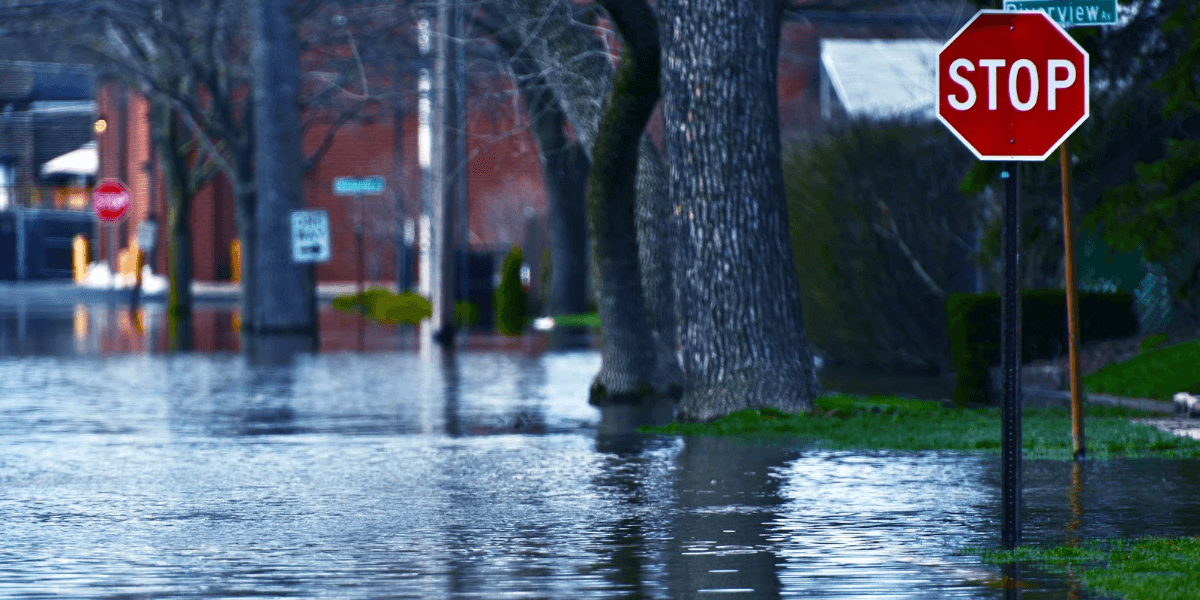
California communities prepare for elevated coastal waters as unusually high tides and approaching storms increase flooding concerns during Thanksgiving week.
Introduction
California's coastline is facing an unusually challenging week as exceptionally high tides, powerful ocean waves, and incoming storms increase the risk of coastal flooding. On November 24, 2026, communities across the state began experiencing the effects of seasonal king tides, with several locations reporting flooding along waterfront roads and low lying areas.
The situation has attracted attention from weather officials and local authorities as millions of Americans prepare for Thanksgiving travel. From San Francisco Bay to Southern California, the combination of elevated ocean levels and changing weather conditions has raised concerns about transportation, coastal infrastructure, and public safety.
King Tides Bring Higher Water Levels to California
King tides are exceptionally high natural tides that occur when the gravitational forces of the moon and sun combine to produce higher than usual water levels. Although they are a regular part of coastal tidal cycles, their effects can become more noticeable when combined with storms, strong winds, and elevated ocean temperatures.
According to the California Coastal Commission, the statewide king tide period runs from November 24 through November 26, 2026. Additional periods are expected in December and January.
This year's conditions are particularly significant because unusually warm Pacific waters and seasonal weather patterns are contributing to elevated coastal water levels.
In the San Francisco Bay Area, the National Weather Service warned that high tides could approach historic levels. Its November 24 forecast identified major to extreme coastal flooding as a primary concern, particularly around Wednesday morning and Thanksgiving Day.
The forecast also indicated that high water levels could affect areas that have already experienced flooding during recent weeks.
San Francisco Bay Area Experiences Flooding Concerns
San Francisco and surrounding communities are among the locations facing heightened risks.
Low lying waterfront areas, coastal roads, and neighborhoods near tidal waterways are particularly vulnerable when high tides coincide with heavy rainfall and strong ocean conditions.
The National Weather Service reported that the San Francisco tidal gauge could reach approximately 8.5 feet above mean lower low water on Wednesday morning. Such levels approach historical extremes recorded in the region.
Meanwhile, local authorities have been preparing for possible flooding by monitoring vulnerable areas, clearing drainage systems, and placing protective barriers along exposed waterfront locations.
Other communities around the bay, including parts of Marin County and the East Bay, are also monitoring water levels and potential road disruptions.
These preparations are important because even relatively shallow coastal flooding can affect transportation routes, businesses, parking areas, and public spaces.
Storms and Powerful Waves Increase the Risk
King tides are not the only concern affecting California's coastline.
The National Weather Service forecast a storm system bringing rainfall, strong winds, and rough ocean conditions to parts of Northern California between November 24 and November 25.
These conditions could increase coastal flooding by pushing additional seawater toward shorelines during already elevated high tides.
Large ocean swells also present a separate danger. Strong waves can reach exposed beaches, seawalls, coastal roads, and other public areas. In some locations, wave activity can contribute to erosion and damage to coastal infrastructure.
Southern California is also experiencing elevated coastal flooding concerns. San Diego officials previously announced preparations for high tides and possible shoreline impacts extending through November 26.
The city's preparations reflect concerns about powerful surf, coastal erosion, and the possibility of seawater reaching vulnerable public areas.
Why the Situation Matters During Thanksgiving Week
The timing adds another important dimension to the developing situation.
Thanksgiving is one of the busiest travel periods in the United States. Families travel between cities, visit coastal destinations, and participate in holiday activities.
Flooded roads and hazardous coastal conditions could complicate journeys, particularly in communities where major transportation routes pass close to the shoreline.
Airports and public transportation systems may also experience weather related challenges when heavy rain and strong winds affect surrounding infrastructure.
Although the National Weather Service indicated that conditions could improve in parts of Northern California by Thanksgiving afternoon, residents and visitors should continue monitoring local forecasts.
For coastal businesses, the situation also highlights the importance of preparation. Waterfront restaurants, hotels, recreational facilities, and small businesses may need to adjust operations when flooding threatens nearby access roads or public spaces.
What Residents and Visitors Should Know
The developing conditions offer several important reminders for people living near California's coastline.
First, residents should monitor updates from the National Weather Service and local emergency management agencies. Tide conditions can change throughout the day, and official warnings provide information about areas facing increased risks.
Second, people should avoid driving through flooded roads. Even shallow moving water can create dangerous driving conditions, particularly when road surfaces are covered or damaged.
Third, beaches, rocky shorelines, piers, and exposed coastal areas may become dangerous during periods of powerful surf. Visitors should maintain a safe distance from breaking waves and follow posted closures and local instructions.
Finally, residents in vulnerable coastal communities should remain aware of evacuation information and emergency announcements.
Preparation is especially important during holiday periods, when unfamiliar visitors may not recognize local flooding hazards.
A Reminder of California's Coastal Vulnerability
The November 24 king tide event highlights the challenges facing California's coastal communities as unusually high water levels meet changing weather conditions.
While king tides are a natural phenomenon, their effects can become more serious when combined with storm activity, elevated ocean temperatures, and vulnerable coastal infrastructure.
For residents, businesses, and holiday visitors, the immediate priority is staying informed and respecting local safety warnings.
As California moves through the Thanksgiving holiday period, the conditions also provide an opportunity to better understand coastal flooding and the importance of long term shoreline preparation.
The coming days will be important for determining how much flooding develops and which communities experience the greatest impacts.

LA Highlight Contributor
Covers the local desk, reporting on the neighbourhoods, civic life, and daily news of Los Angeles.
This article features partner, contributor, or branded content from a third party. Members of the LA Highlight editorial staff were not involved in the creation of this content. All views and opinions are those of the contributor alone.