Delta Flight System Outage Disrupts Thanksgiving Travel Across the United States
Curtis Nakamura|November 22, 2026
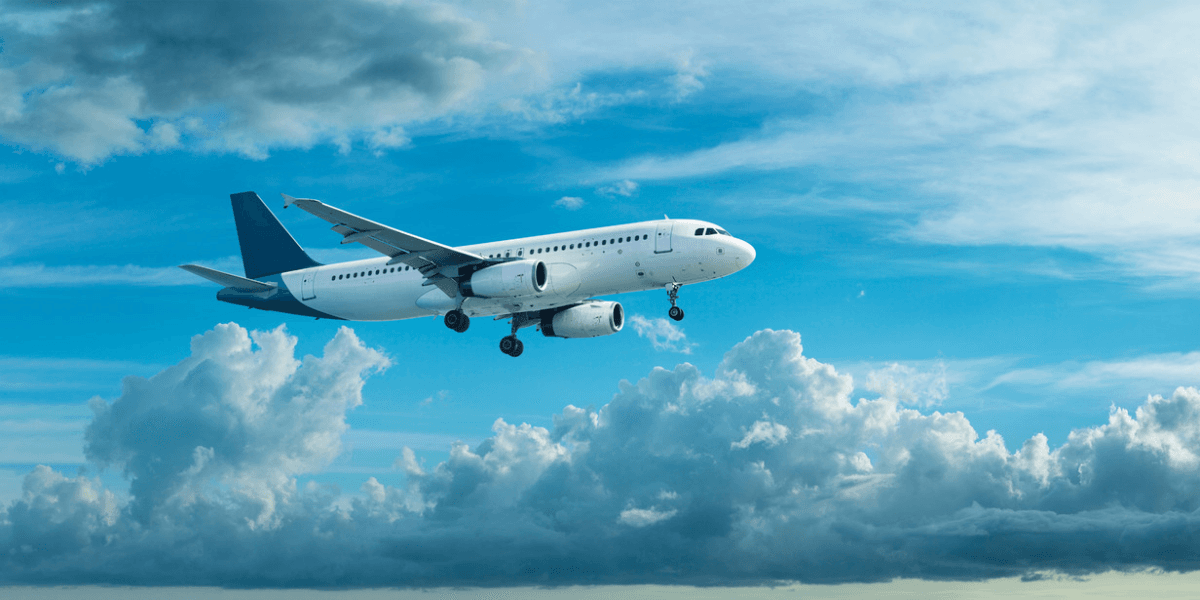
A Delta Air Lines technical failure disrupted thousands of flights, stranding Thanksgiving travelers and highlighting the need for reliable aviation technology.
Introduction
As millions of Americans prepared to travel for Thanksgiving, an unexpected technical failure disrupted flight operations across the United States on November 22, 2026. Delta Air Lines experienced an outage involving its automated aircraft weight and balance system, resulting in widespread flight delays.
The disruption affected passengers during one of the busiest travel periods of the year. Although the airline restored the affected system later that afternoon, delays continued as crews worked to bring flight schedules back to normal. The incident highlighted the importance of reliable technology in modern aviation and the challenges airlines face when essential operational systems stop working.
Delta Flight Delays Affect Thousands of Passengers
The technical failure originated in Atlanta, Georgia, where Delta operates its largest connecting hub. The problem affected an automated system responsible for calculating the weight and balance of departing aircraft.
These calculations are essential to flight preparation because they help determine how passengers, baggage, and cargo should be distributed to maintain safe aircraft operating conditions.
The disruption affected flights departing from Atlanta and services traveling to the airport from other cities. As a result, passengers across Delta's network experienced schedule changes and longer waiting times.
The Federal Aviation Administration clarified that the delays were not caused by problems with its air traffic control systems. This distinction was important because the disruption originated within Delta's operations rather than the broader national aviation infrastructure.
Why the Weight and Balance System Matters
Aircraft weight and balance calculations are essential parts of aviation safety. Before departure, airlines must account for the aircraft's weight and the distribution of passengers, baggage, and cargo.
These calculations help ensure that an aircraft remains within its approved operating limits. An incorrect distribution can affect stability, handling, and performance during different stages of flight.
Delta's automated system normally supports this process by helping operational teams complete the necessary calculations efficiently. When the technology became unavailable, employees had to rely on manual procedures to keep flights moving while maintaining required safety checks.
The airline's technical teams worked to restore the automated system while operational employees managed the necessary manual procedures. This approach allowed operations to continue, although it contributed to longer departure times.
Delta Restores the System, but Delays Continue
The airline reported that its automated weight and balance system had returned to normal operation later on November 22.
However, restoring the technology did not immediately resolve every scheduling problem. Aircraft and crew movements had already been affected, meaning the airline still needed time to reorganize its operations.
The disruption resulted in more than 1,000 flight delays, with additional cancellations reported across the airline's network. Affected passengers faced longer waiting times and changes to their travel arrangements.
Delta also worked to assist passengers through rebooking arrangements. The airline indicated that eligible travelers could receive assistance with meals and hotel accommodations when necessary. Passengers whose flights were canceled and who no longer wished to travel could request refunds under applicable airline policies.
The company apologized for the disruption and acknowledged the inconvenience experienced by customers.
Why the Incident Matters During Thanksgiving Week
The timing made the outage particularly significant. Thanksgiving is among the busiest annual travel periods in the United States, with families traveling across state lines to celebrate the holiday.
Atlanta's Hartsfield-Jackson International Airport is a major connection point for domestic and international passengers. Disruptions at such an important hub can affect connecting journeys and create additional pressure on airport operations.
The incident also renewed attention on the reliability of airline technology. Modern aviation depends on interconnected systems that support scheduling, flight preparation, baggage handling, and passenger services.
When one important system becomes unavailable, employees may need to switch to alternative procedures. Although these arrangements can help maintain operations, they may take longer and create scheduling challenges.
For airlines, the incident demonstrates why dependable technology and effective backup procedures are essential, particularly during periods of high passenger demand.
What Travelers Should Take Away
The incident offers several practical lessons for passengers traveling during busy holiday periods.
First, checking flight information before leaving home can help travelers avoid unnecessary airport waiting times. Airline websites and mobile applications provide updates about departure changes and cancellations.
Second, passengers with connecting flights should monitor their entire itinerary. A delay on one flight can affect subsequent connections, particularly when there is limited time between departures.
Third, travelers should keep booking confirmations and important travel information accessible. This can make communication with airline representatives easier when schedules change.
Finally, allowing additional time for holiday journeys can provide greater flexibility when unexpected disruptions occur.
A Lesson in Aviation Reliability
Delta's November 22 technical outage demonstrated how an equipment failure can affect passengers across a nationwide airline network. Although the company restored its automated system, the resulting delays showed that operational recovery can take longer than repairing the original problem.
For the aviation industry, the incident reinforces the importance of reliable technology, effective backup procedures, and clear passenger communication.
For travelers, the message is straightforward: staying informed and preparing for possible schedule changes remain important parts of holiday travel. As Thanksgiving approached, Delta's experience served as a reminder that dependable airline operations require both advanced technology and effective contingency planning.

LA Highlight Contributor
Covers technology, business, and national affairs, following the companies and policy shaping the region.
This article features partner, contributor, or branded content from a third party. Members of the LA Highlight editorial staff were not involved in the creation of this content. All views and opinions are those of the contributor alone.