Severe Thanksgiving Storm Disrupts Travel Across the United States
Curtis Nakamura|November 26, 2026
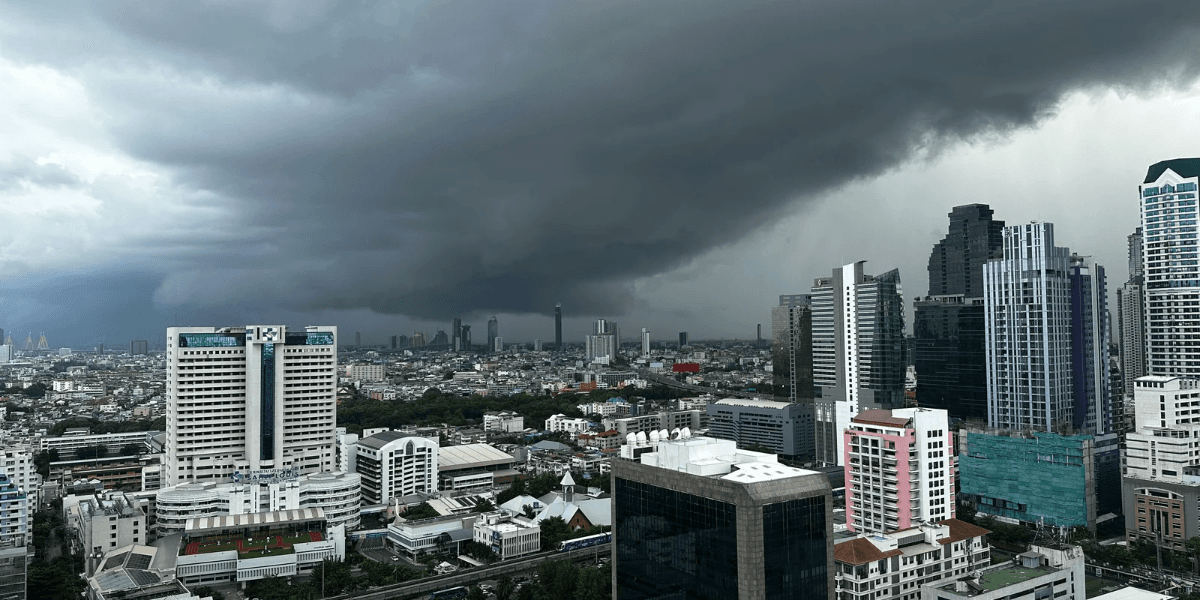
Severe Thanksgiving weather brought heavy rain, powerful winds, flooding, and snow across the United States, disrupting holiday travel and celebrations.
November 26, 2026, became a challenging Thanksgiving Day for millions of Americans as powerful storms swept across several regions of the United States. Heavy rainfall, damaging winds, coastal flooding, and winter weather disrupted transportation, caused power outages, and forced changes to major holiday celebrations. From the Northeast to the West Coast, the combination of severe weather conditions created significant difficulties for families traveling during one of the busiest holiday periods of the year.
The storm system affected large portions of the country, with particularly serious conditions along the East Coast. Transportation networks faced disruptions as authorities responded to flooded roads, dangerous wind conditions, and reduced visibility. The weather also affected coastal communities, where high tides and large waves increased the risk of flooding.
Severe Thanksgiving Weather Disrupts Holiday Travel
The East Coast experienced some of the most challenging conditions on Thursday. Strong winds and heavy rainfall affected communities from Georgia through New England. Several areas reported coastal flooding, road closures, and electricity interruptions.
New Jersey and parts of New York declared emergencies as conditions deteriorated. Floodwaters covered roads in some locations, leaving motorists stranded and making travel more difficult. The Chesapeake Bay Bridge-Tunnel and North Carolina's NC 12 were among the routes affected by closures.
Air travel also faced complications. Heavy precipitation, poor visibility, turbulence, strong winds, and icing conditions created additional challenges for aviation operations. Travelers were advised to monitor transportation updates and check directly with airlines for schedule changes.
The disruptions were especially significant because Thanksgiving traditionally generates substantial passenger traffic. Families traveling between cities, airport passengers, and people visiting relatives all faced the possibility of delays or unexpected changes to their plans.
Historic Macy's Thanksgiving Day Parade Postponed
One of the most notable consequences of the storm involved the 100th Macy's Thanksgiving Day Parade in New York City.
The landmark celebration had been scheduled for November 26, marking a century of one of America's most recognizable Thanksgiving traditions. However, dangerous wind conditions around Manhattan's skyscrapers led organizers to postpone the event until Saturday, November 28.
The decision represented a significant change to a tradition that has become closely associated with Thanksgiving morning across the country.
The revised schedule meant that spectators and television audiences would have to wait another two days to experience the historic celebration. The event was expected to feature giant character balloons, elaborate floats, marching bands, musical performances, and the traditional appearance of Santa Claus.
The postponement demonstrated how severe weather can affect even carefully planned national celebrations. Although the change disappointed spectators who had anticipated attending on Thursday, public safety remained the central consideration.
Winter Weather Creates Additional Problems in the Midwest
While heavy rain and strong winds affected eastern states, parts of the Midwest experienced a different set of weather challenges.
Winter storm warnings covered areas of Missouri and Illinois, where snowfall threatened to complicate road travel. St. Louis was among the locations facing the possibility of significant accumulation, with forecasts indicating that snowfall could reach as much as 13 inches.
Such conditions can create hazardous driving environments, particularly when snow accumulates quickly or combines with freezing temperatures.
The combination of winter weather in the Midwest and heavy rainfall in eastern states illustrated the broad reach of the storm system. Travelers moving between regions faced different hazards depending on their destinations and routes.
West Coast Communities Face Coastal Flooding Risks
The storm related disruptions were not limited to the eastern half of the country.
Along the West Coast, unusually high king tides and large ocean waves prompted coastal flood warnings in California and Washington. These conditions raised concerns for communities situated near beaches, waterfront roads, and exposed coastal infrastructure.
In Pacifica, California, a powerful wave tore away part of a pier and sent it into the ocean. Officials also warned residents near Stinson Beach about potential flooding and debris.
The incident highlighted the vulnerability of coastal infrastructure during periods of unusually high tides and powerful wave activity. Residents and visitors in affected communities faced the need to exercise caution around shorelines and waterfront areas.
What the Thanksgiving Storm Means for Travelers
The November 26 weather disruptions offer several important reminders for people traveling during major holidays.
First, checking weather forecasts before departure is essential, particularly when storms affect multiple states. Conditions can change quickly, making an earlier travel plan unsuitable later in the day.
Second, travelers should verify road conditions and flight schedules through official transportation agencies, airport websites, and airline notifications. A route that appears manageable on a general forecast may still be affected by local flooding, closures, or poor visibility.
Third, coastal residents should pay attention to warnings involving high tides, large waves, and potential flooding. Staying away from exposed shorelines during dangerous conditions can reduce the risk of injury.
The National Weather Service remains an important source for regional forecasts and official weather alerts. Its website, weather.gov, provides location specific information that can help residents and travelers understand changing conditions.
A Thanksgiving Reminder About Weather Preparedness
The severe Thanksgiving storm of November 26, 2026, became a major disruption to holiday activities across the United States. From flooded roads and interrupted electricity to heavy Midwest snowfall and the postponement of New York's historic parade, the weather affected communities in several different ways.
For Los Angeles residents and other West Coast communities, the coastal conditions also served as a reminder that holiday weather risks are not limited to traditional winter storm regions.
Ultimately, the day's events underscored the importance of reliable weather information, flexible travel arrangements, and attention to official safety guidance. As families continued their Thanksgiving celebrations, monitoring local conditions remained an important part of protecting themselves and their communities.

LA Highlight Contributor
Covers technology, business, and national affairs, following the companies and policy shaping the region.
This article features partner, contributor, or branded content from a third party. Members of the LA Highlight editorial staff were not involved in the creation of this content. All views and opinions are those of the contributor alone.